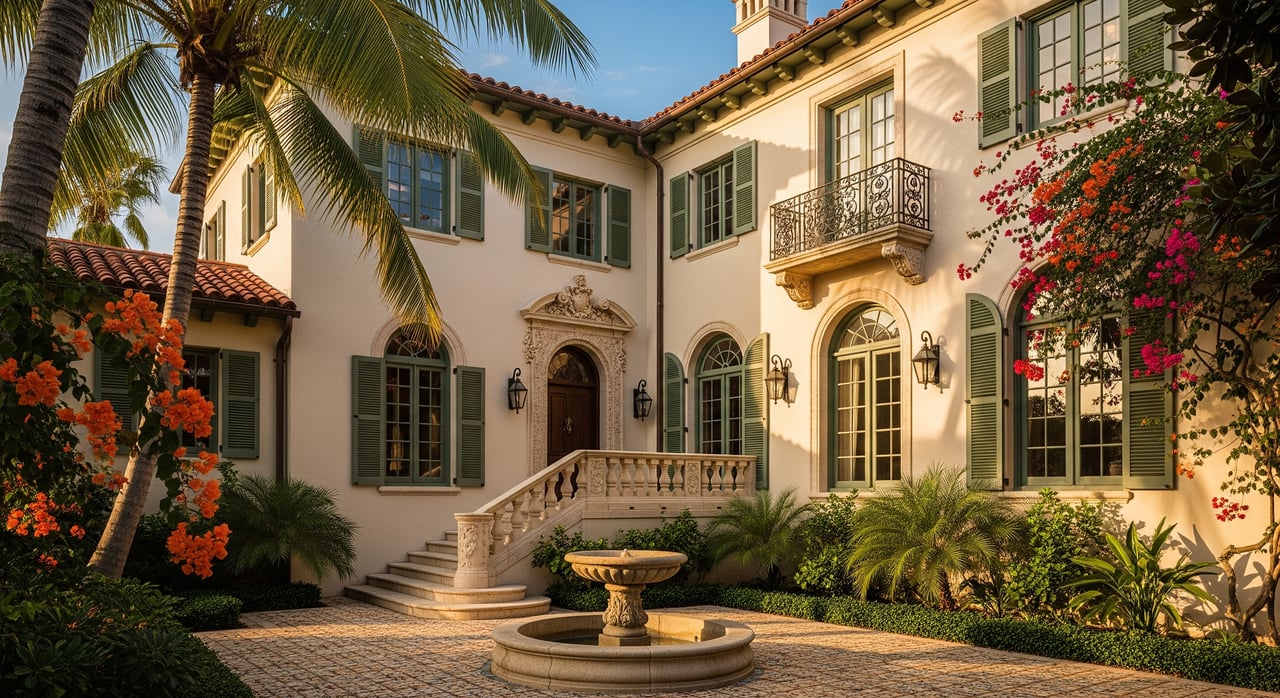
Renovating a historic home in Palm Beach can be incredibly rewarding, but it is not a typical remodel. You are balancing preservation, modern performance, and a layered approval process that can affect scope, materials, and schedule. If you want to protect value and avoid costly resets, you need a clear plan before you engage architects or builders. This guide gives you that plan and shows you what to expect so you can move forward with confidence. Let’s dive in.
What makes a home historic here
Palm Beach Island is home to notable architectural styles like Mediterranean Revival, Palm Beach Vernacular, and Modernist residences. Many properties sit within historic districts or are individually significant. Local rules focus on protecting character-defining elements such as massing, roof forms, window patterns, porches, and site features.
For you, that means exterior work often requires design review before building permits are issued. Early due diligence helps you align your vision with what will be approvable and buildable.
Who approves your project
Multiple authorities can shape your project. Expect to coordinate with the Town’s planning, architectural, or historic preservation review bodies for design approvals and Certificates of Appropriateness.
You will also work with the building permit office for structural and systems compliance. Coastal and environmental regulators may be involved if you plan seawalls, shoreline work, or changes near submerged lands. Floodplain rules and FEMA maps guide elevation requirements and base flood compliance.
Review triggers to know
These exterior changes often require formal design review:
- Additions that change massing, rooflines, or primary façades.
- Alterations to front-facing materials, windows, doors, porches, or balconies.
- Demolition or partial demolition of contributing historic structures.
- New construction within a historic district or on a designated property.
- Changes to fences, walls, gates, driveways, curb cuts, or significant landscape features.
- Exterior paint color changes where palettes or materials are regulated.
What reviewers prioritize
Reviewers typically look for:
- Compatibility with character-defining elements such as scale, rhythm, roof forms, materials, and texture.
- Preservation of original fabric where feasible, and reversibility of new interventions when possible.
- A limited visual impact on the street and adjacent historic properties.
- Use of traditional materials or high-quality substitutes that match texture and finish.
- Careful placement of modern mechanical equipment to reduce visibility.
Expect possible conditions like mockups, product samples, and detailed shop drawings for windows, doors, and roofing.
Plan your approval path
Structure your early steps to reduce surprises and schedule slips:
- Schedule a pre-application meeting. Town planning and design staff can flag likely issues before you finalize scope.
- Prepare materials. Assemble site plans, elevations, product cut sheets, photos of existing conditions, and any historic documentation.
- Submit for design review. Apply for a Certificate of Appropriateness or design review and be ready for one or more hearings.
- Close the loop after approval. Incorporate board conditions into permit drawings and submit for building permits.
Timelines you can expect
Plan your schedule with realistic ranges. Exact timing varies by scope and board calendars:
- Pre-application and early consultations: about 1 to 4 weeks.
- Design development and preparing the review package: about 2 to 8 or more weeks, depending on complexity and team availability.
- Formal design review cycle: often 4 to 12 weeks per cycle. Complex projects may require multiple rounds over several months.
- Building permit review and issuance: commonly 4 to 12 weeks after design approval, subject to structural and floodplain complexity.
- Construction: small exterior updates may take weeks to a few months. Moderate renovations or additions commonly range 4 to 12 months. Extensive restorations or large additions can take 12 to 24 or more months.
Factors that extend timelines include proposed demolition of historic fabric, coastal or environmental permits, floodplain elevation work, seawall engineering, and long lead times for custom windows or specialty trades.
Practical scheduling tips:
- Start design and permitting early, ideally during property evaluation.
- Sequence approvals. Secure design review first, then submit permit sets with conditions built in.
- Add contingency time for extra board submittals. Budget 2 to 6 weeks for each additional round.
Exterior upgrades that work
Roofs
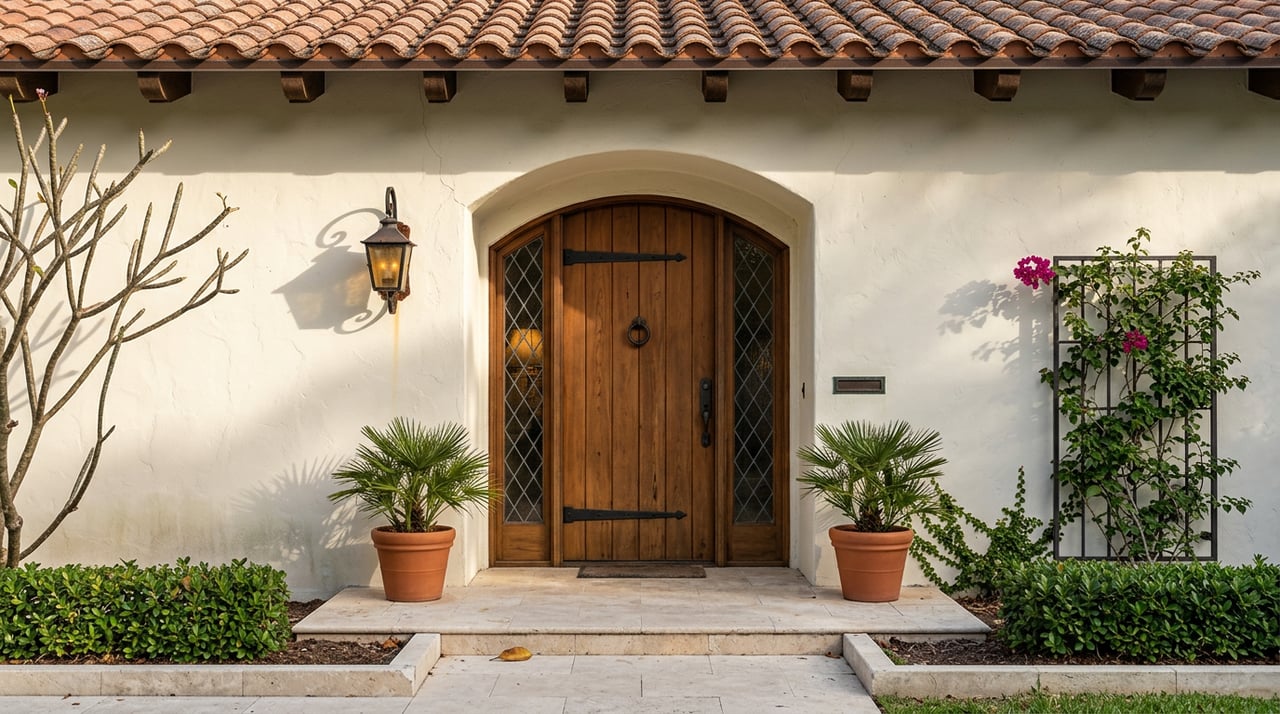
Roof form and material are often character-defining. Historic roofs may be clay tile or standing seam metal. Reviewers consider pitch, eaves, and material authenticity. Synthetic or composite materials might be considered if they match profile, color, and texture. Plan for mockups and samples.
Windows and doors
Preserving original sashes and frames is preferred. If replacement is necessary, replicas often must match original dimensions and muntin patterns. Hurricane protection needs to meet current wind-resistance standards while respecting appearance. Solutions can include interior storm panels, custom impact-rated replicas, or color-coordinated shutters.
Porches, loggias, and balconies
These elements define many Palm Beach façades. Repairs should retain original columns, railings, and balustrades. New balconies or glazing can draw scrutiny, especially if they change the rhythm of openings or add reflective glass.
Additions
Massing and placement are key. Rear or side additions that protect the primary façade usually perform better in review. A differentiated but compatible design is often favored over direct mimicry, as long as scale and materials relate to the original.
Masonry, stucco, and paint
Match mortar joints, stucco texture, and paint finish. Avoid modern cement mortars that can harm historic masonry. Follow any applicable color programs. Expect requests for sample panels before full approval.
Fences, walls, and driveways
Frontage design, height, and visual permeability matter. Distinctive historic walls or gates may need to be retained or reconstructed to match. Driveway changes and curb cuts often require careful review.
Landscaping and trees
Mature palms and protected trees may not be removed without justification. Plan arborist input if removal is proposed. Hardscape changes that affect drainage must be coordinated with stormwater and floodplain rules.
Flood, storm, and coastal constraints
Elevation and floodplain
Homes in flood zones must follow FEMA maps and local elevation requirements. Raising a structure impacts appearance and triggers additional review and engineering. Expect structural, mechanical, and electrical redesign if elevating.
Seawalls and waterfront work
Seawall repairs or new waterfront structures typically need county or state permits in addition to Town approvals. Plan for engineering reports and specialized coastal review.
Hurricane codes
Windows, doors, and roofs must meet current Florida Building Code wind standards. Choose retrofit strategies that deliver protection while preserving historic appearance. Custom impact-rated products, removable storm panels, and carefully designed shutters can meet both goals.
Build the right team
Core roles
- Architect with historic preservation experience to lead design and navigate reviews.
- General contractor with historic renovation and local permitting expertise.
- Structural engineer for additions, elevation, or foundation work.
- MEP consultants for systems that affect exterior or building fabric.
- Landscape architect or arborist for site design and protected tree coordination.
- Preservation consultant for complex historic fabric or National Register considerations.
- Coastal or seawall engineer and permitting specialist if waterfront work is involved.
Vet contractors carefully
Verify Florida licensing and local registrations. Ask for references from historic projects in Palm Beach or similar coastal communities. Review sample submittals and mockups. Confirm supervisory staff know how to protect historic fabric during construction.
Set up the contract and scope
Older houses carry unknowns. Use a contract that allows for hidden conditions and set a contingency budget of about 10 to 25 percent based on scope and risk. Assign clear responsibility for mockups, samples, and attendance at board hearings. Plan phased permitting and site protection.
Document and quality-check
Keep approved drawings, board minutes, and conditions organized. Plan for early mockups and sample panels. Schedule milestone inspections and coordinate final close-out with the Town to confirm compliance.
Coordinate logistics and neighbors
Large equipment, street encroachments, and parking require advance coordination. If temporary access to a neighbor’s property is needed or views may be impacted, obtain written agreements early.
Pre-architect checklist
Get these items in place before you start design work:
- Survey, including certified boundary and topography, plus any as-built documentation.
- Historic materials such as prior designation reports, nomination forms, or archival photos.
- Title items, easements, covenants, and any restrictions that impact exterior work.
- Zoning checks for setbacks, height, and lot coverage.
- FEMA flood zone, base flood elevation, and local freeboard requirements.
- Inventory of protected trees and coastal conditions, including seawall status.
- Pre-application meeting with Town staff to flag review issues.
- A feasibility review from a preservation-experienced architect with conceptual massing.
- A preliminary estimate and timeline from a GC with historic credentials.
- A schedule that includes at least one design review cycle and one permit cycle, plus time for mockups and specialty materials.
- A contingency reserve for hidden rot, insect damage, or prior non-compliant repairs.
Key questions for prospective teams:
- What is your experience with the Town’s design review boards and historic projects on the island?
- How have you handled hurricane-code retrofits that kept exteriors historically appropriate?
- What is your approach to mockups and responding to board or plan reviewer comments?
- What timelines have you achieved from pre-application through permit for similar scopes?
- What warranties, maintenance plans, and specialized subs do you use for historic work?
Decision points to settle early:
- Are you targeting a strict restoration, a sensitive modernization, or a compatible addition?
- Are you comfortable with conditions the board may require, including material substitutions?
- Do you want to explore potential preservation incentives, and do you have documentation to support them if applicable?
Common pitfalls and how to avoid them
- Skipping pre-application. This often leads to redesign and budget creep. Meet with staff early.
- Underestimating review and lead times. Build in time for board cycles, mockups, and specialty fabrication.
- Hiring the wrong contractor. Require documented historic experience and strong local permitting knowledge.
- Ignoring flood and elevation early. Engage engineering and floodplain planning at concept stage.
- Weak documentation. Keep conditions, mockups, and approvals organized to streamline inspections.
Why work with Triple Crown Group
If you want a single accountable partner from acquisition through renovation and into ongoing estate care, you benefit from a vertically integrated team. Triple Crown Group combines local luxury brokerage expertise with construction management and full-service estate management under one roof. That continuity helps you set the right scope, budget accurately, and move from design review to construction with fewer handoffs.
You get pragmatic guidance on sequencing approvals, sourcing specialty trades, planning mockups, and coordinating with Town staff and inspectors. Post-completion, concierge estate management keeps your property maintained and market-ready. When you are ready to talk next steps, connect with the local team that treats your project like a long-term stewardship commitment.
Ready to create the plan for your Palm Beach renovation? Contact the concierge team at Triple Crown Group.
FAQs
How does Palm Beach design review work for historic homes?
- Most exterior changes require a pre-application meeting, a formal Certificate of Appropriateness or design review, and compliance with any conditions before permits are issued.
How long does permitting and approvals take in Palm Beach?
- A typical path includes 4 to 12 weeks for a design review cycle and 4 to 12 weeks for building permits after approval, with complex projects taking longer.
What exterior changes usually trigger review in Palm Beach?
- Additions, façade alterations, window and door replacements, porch or balcony changes, demolition, fences or gates, driveway changes, and significant landscape modifications.
How do hurricane codes affect historic home renovations in Palm Beach?
- Windows, doors, and roofs must meet current wind standards, so plan for impact-rated products or storm solutions that preserve the historic look.
What contingency should I budget for a historic renovation in Palm Beach?
- A contingency of about 10 to 25 percent is commonly recommended to cover hidden conditions and specialty fabrication.
Do I need extra permits for seawalls or waterfront work in Palm Beach?
- Yes, seawalls and shoreline work often require county or state coastal permits in addition to Town approvals and engineering documentation.