If you plan to spend the winter in Wellington, you already know it is more than a horse show. It is an entire rhythm of living that starts before sunrise and carries into evenings filled with family time, dining, and community. Whether you compete, support a rider, or simply love the scene, you want a clear picture of what daily life looks like and how to plan for it. This guide walks you through the season’s pace, housing decisions, logistics, and family essentials so you can arrive ready. Let’s dive in.
What the Wellington season is
Wellington’s winter season centers on world-class competition and a vibrant community. The Winter Equestrian Festival at Palm Beach International Equestrian Center anchors the calendar for hunter and jumper riders. The Global Dressage Festival runs concurrently nearby, while polo at the International Polo Club Palm Beach adds its own weekend energy.
Activity ramps up in late fall and peaks from January through April. Schedules are organized in weekly blocks, so you plan around your ring times and highlight classes. Riders, trainers, grooms, vendors, sponsors, and spectators all converge, which shapes everything from traffic patterns to dinner reservations.
Who is here and what it means
You see top professionals and ambitious amateurs, plus families that treat the season as a living, working campus. Many local businesses expand hours and staffing, and housing inventory shifts to seasonal rentals. The result is a lively, focused environment where horse schedules set the tone for day-to-day life.
Weekly rhythm to expect
A week in Wellington feels both busy and manageable when you plan ahead. Many divisions compete throughout the week, with high-profile classes reserved for weekends. If you are spectating, weekends feel the most electric. If you are competing, you manage each day around ride times, care routines, and coaching.
A day at the barn and show
Early mornings are prime. Barns are active by 5:30 a.m., with chores, turnouts, and warm-up rides. Mid-morning through early afternoon, classes run across multiple rings. Late afternoon is often for cooling out, vet or farrier appointments, and trainer debriefs. Evenings are for recovery, casual dinners, and the occasional event.
Traffic and timing
Expect heavier traffic near showgrounds at morning arrival and late afternoon departures, and on polo match days. On-site parking typically ranges from paid daily options to weekly passes, with VIP and staff parking where offered. Build in extra time if you need to shuttle between barns and rings.
Housing and when to book
Seasonal demand is real, so you want to secure housing well ahead of your arrival date. Many families finalize rentals months in advance, especially if you want to be close to the showgrounds or need space for horses and gear.
Where people stay
- Close-in neighborhoods near the showgrounds for minimal commute time.
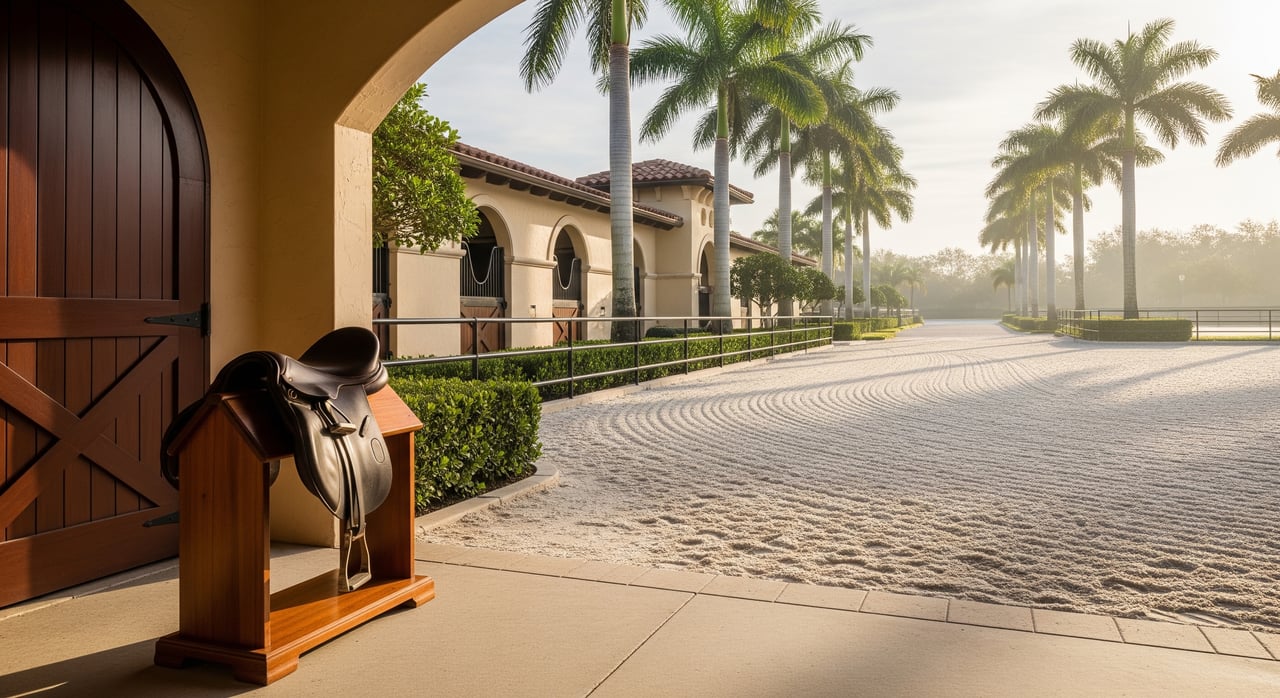
- Equestrian properties with barns and paddocks for hands-on riders.
- Condos and single-family homes for comfort and privacy.
- Hotels or guest suites at training farms for short stays.
Proximity drives cost and convenience. Larger lots and showground-adjacent estates are popular with families running multiple horses or complex schedules.
Smart booking strategy
- Coordinate early with your trainer or barn for housing tips and stabling logistics.
- Confirm parking rules and vehicle allowances at your rental.
- If you need equestrian facilities on-site, verify arenas, footing, and paddock access.
- Reserve for the full length of your show plan, then add buffer days for acclimation.
Getting around and travel access
Most families rely on a car for day-to-day life. Ride-hailing and car services are available for occasional trips. Palm Beach International Airport is the most convenient arrival point, with other South Florida airports as alternatives with longer drives. If you are hauling, plan rig parking and unloading windows with your barn and the showgrounds.
Equine services and paperwork
Wellington concentrates a deep roster of equine vets, farriers, dentists, therapists, and supply vendors, which makes daily care more efficient. That said, you should lock in appointments early during peak weeks. Barns often coordinate visiting specialists around show schedules.
Show organizers publish current health documentation requirements. You should confirm Coggins and health certificate details well in advance. Keep a clear folder of horse paperwork handy for check-in and any emergencies.
Costs to expect beyond housing
Budgets vary widely, but you can plan for a few common categories:
- Entry and stabling fees for your classes and weeks on-site
- Trainer and coaching fees, grooming, and haul-in costs
- Veterinary care, farrier work, and therapy services
- Equipment, tack, feed, bedding, and supplies
- Groceries, restaurants, and weekly household needs
- Travel, car rental, and parking
Some restaurants and services adjust to seasonal demand. Reservations are useful on big-event nights. A weekly plan for meals and errands helps you avoid last-minute scrambles.
Family life, schools, and free time
Wellington blends horse-centered schedules with access to beaches, parks, shopping, and cultural attractions in West Palm Beach and Palm Beach. Many families build in downtime for beach days or a relaxed dinner after evening classes.
Wellington is served by Palm Beach County schools, and there are private school options in the area. Some seasonal families choose homeschooling or private tutors during show weeks. If you bring children, consider their schedule alongside ring times to balance rest and schoolwork.
Dining and daily basics
- Use on-site show dining for quick daytime meals.
- Book dinner reservations early during major competitions.
- Lean on early-opening cafés and breakfast spots for pre-ring fuel.
- Batch errands around quieter midweek times.
Social scene and community
Vendor villages and sponsor tents act as daytime hubs, and evening gatherings range from casual barn dinners to charity events. Polo weekends add tailgating, picnics, and formal hospitality. Newcomers often connect through barn networks, trainer introductions, and local groups. If you arrive early, you can settle into the cadence before peak weekends.
A simple planning checklist
Use this quick list to keep track of essentials:
- Housing: reserve months ahead, confirm parking and house rules.
- Horses: stabling, health paperwork, insurance, vet and farrier appointments.
- Transport: flights into PBI, rental car, rig parking and unloading windows.
- Family: school coordination, childcare, tutors, medical providers.
- Social: RSVP to key events, plan dining for peak nights.
- Budget: set weekly allowances for entries, care, meals, and incidentals.
How to time your arrival
Most competitors arrive days to a week before the first classes to acclimate horses and organize tack. If you plan to stay the entire season, build in a few rest days between weeks. The Wellington calendar moves fast, and a little buffer can make a big difference in performance and family comfort.
How Triple Crown Group supports your season
If you want a seamless season, the right local partner matters. Triple Crown Group brings brokerage, construction management, and full-service estate and property management together in one team. That means you can secure the right home or equestrian estate, tailor it to your needs, and rely on ongoing care without juggling multiple vendors.
Here is how you benefit during Wellington season:
- Brokerage: identify and secure high-end rentals, purchases, or strategic listings near the showgrounds.
- Construction management: evaluate renovation or build options, align budget and scope, and deliver on timelines.
- Estate and property management: maintain and operate luxury homes and equestrian-capable estates with concierge oversight.
If you want proximity to PBIEC, bespoke barn features, and reliable operations throughout the season, you can work with one accountable team. That continuity helps you focus on horses and family while your property runs smoothly.
Ready to plan your season with a trusted local partner? Contact Triple Crown Group to align housing, property readiness, and ongoing management well before peak weeks.
FAQs
When does Wellington’s equestrian winter season run?
- Peak activity typically spans January through April, with some dressage activity starting earlier and extending into spring.
What are the main events during the season in Wellington?
- The Winter Equestrian Festival anchors hunter and jumper competition, the Global Dressage Festival runs concurrently, and polo at the International Polo Club Palm Beach adds weekend highlights.
How early should I book housing for the Wellington season?
- You should book several months in advance, especially if you want to be close to the showgrounds or need equestrian facilities on-site.
Do I need a car to live in Wellington during the season?
- Yes, most families rely on a car for daily barn commutes and errands, with ride-hailing and shuttles used as supplements.
Which airport is most convenient for Wellington’s winter season?
- Palm Beach International Airport is the closest major option, with other South Florida airports available at longer driving distances.
What horse paperwork do shows in Wellington usually require?
- You should verify current Coggins and health certificate requirements with organizers and plan to present documentation at check-in.
Is there enough veterinary and farrier support during peak weeks?
- Yes, Wellington has a dense network of equine professionals, though you should schedule appointments well in advance during busy periods.
Are there family activities beyond the horse shows in Wellington and nearby?
- Yes, families often plan beach days, parks, shopping, and cultural outings in West Palm Beach and Palm Beach on non-show days.