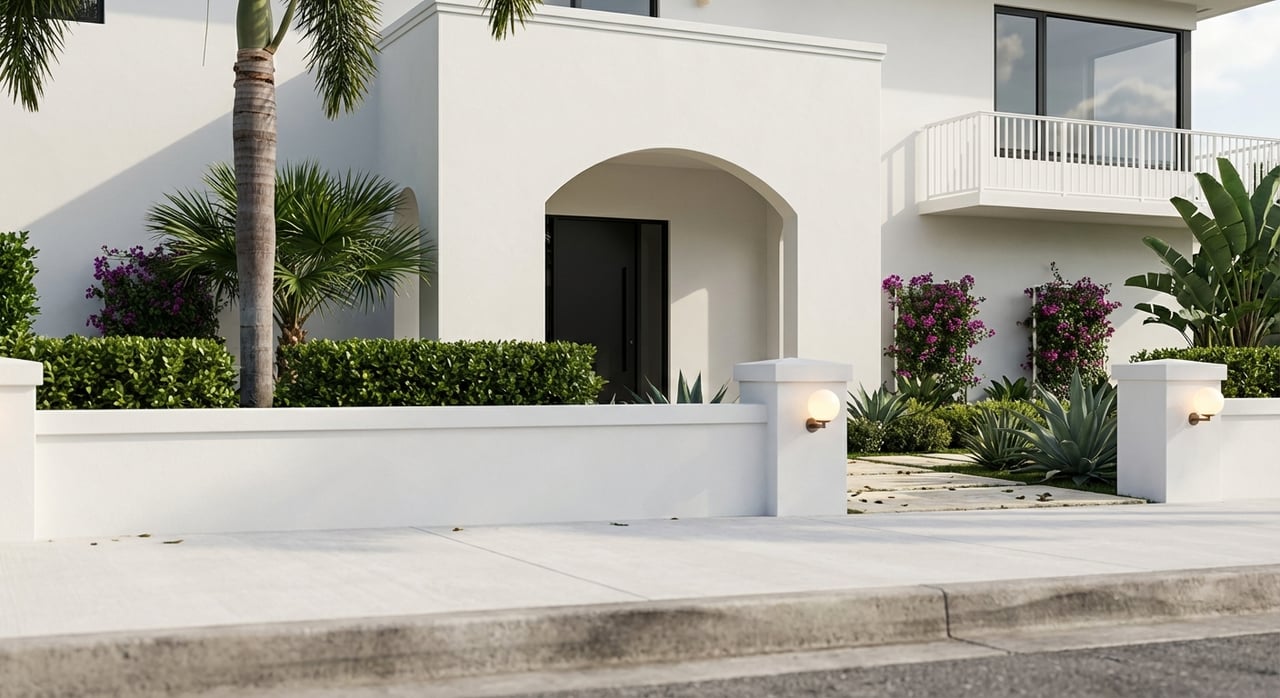
What if the look of your next Palm Beach home could quietly script how you live each day? From shaded courtyards to glass-walled great rooms, local architecture shapes light, privacy, and even your maintenance calendar. If you are comparing properties across Palm Beach Island and nearby West Palm Beach, Boca Raton, and Delray Beach, understanding style is your edge. In this guide, you will learn how the area’s signature designs live, what to check during due diligence, and how renovations really work here. Let’s dive in.
Why style matters in Palm Beach
Palm Beach’s identity grew from the 1920s boom and the work of architects like Addison Mizner, whose Mediterranean and Spanish influences set the tone for the island’s classic palette of stucco, clay tile, courtyards, and loggias. The Preservation Foundation documents this lineage and its impact on the island’s streetscapes and estates. You can explore that history in the Foundation’s exhibit on historic architectural elements for local context and vocabulary (Preservation Foundation of Palm Beach).
On Palm Beach Island, exterior changes often go through the Town’s Architectural Commission and Landmarks review, so renovation scope and timelines are shaped by design oversight as well as permits. Stay current on updates by visiting the Town’s official planning and commission notices (Town of Palm Beach planning and ARCOM).
Across the metro area, Florida’s building code and county wind maps also drive decisions about windows, doors, and structure, especially on oceanfront and Intracoastal parcels. Review relevant provisions in the Florida Building Code summary and check local wind-speed mapping through the county before you price upgrades (Florida Building Code overview; Palm Beach County wind-speed maps).
Mediterranean Revival
What you will notice
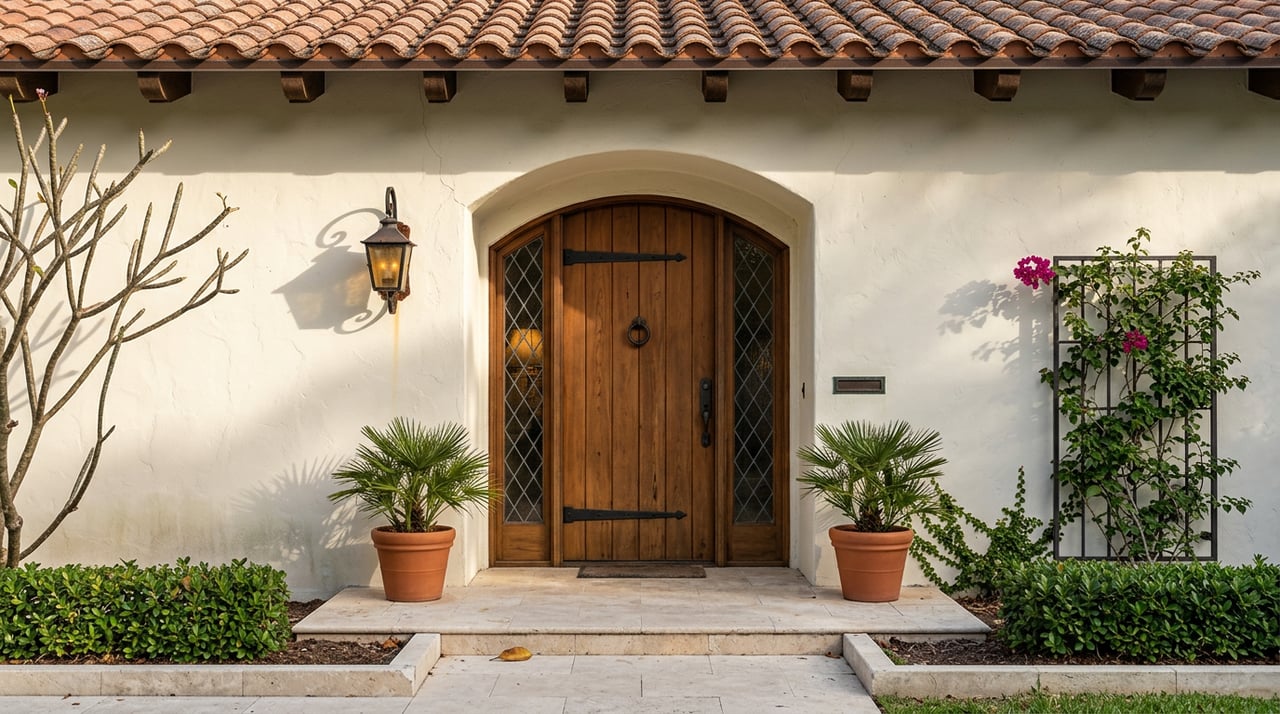
- Textured stucco, coquina or cast-stone accents, red clay tile roofs, arched openings, wrought-iron, and shaded loggias framing courtyards.
- The classic Palm Beach look rooted in early 20th-century commissions.
How it lives day to day
- Courtyard and garden-centered plans pull soft, indirect light into rooms and reduce glare.
- Older layouts lean formal and compartmentalized. Expect distinct living and dining rooms with service areas to the rear.
Daily-living checklist
- Light: Bright near courtyards and loggias, cooler and more shaded inside.
- Privacy: Strong. Entries and hedged courts limit direct views in.
- Outdoor life: Covered loggias and inner patios make outdoor dining comfortable most of the year.
- Upkeep: Watch roof underlayment and stucco condition.
Maintenance notes
- Stucco and historic masonry benefit from breathable coatings and correct mortar. Improper repointing or coatings can trap moisture and speed decay (National Park Service preservation briefs).
- Clay tile roofs last, but flashing, underlayment, and broken tiles need periodic attention.
Renovation snapshot
- Many are masonry with load-bearing walls. Large new openings and roof changes require engineering, careful detailing, and, on landmarked homes, local review.
Palm Beach Regency
What you will notice
- Classical symmetry with colonnades, porticoes, balustrades, and refined stone or marble details.
- Tropical adaptations often add loggias and garden rooms.
How it lives day to day
- Formal circulation with central halls and axial views. Interiors can feel bright where designers carved in loggias or terraces.
- Many renovations open select partitions to create a light-filled flow while keeping the facade’s balance. See local examples that blend openness with classical exteriors for inspiration (Fairfax & Sammons Regency portfolio; Architectural Digest feature).
Daily-living checklist
- Light: Strong sightlines with balanced, formal rooms; openness varies by era and updates.
- Privacy: Often high, with hedged entries and structured gardens.
- Outdoor life: Terraces and loggias extend formal rooms into shaded outdoor spaces.
- Upkeep: Stone, plaster, and ironwork need skilled care.
Maintenance notes
- Expect craft restoration for marble, plaster moldings, and decorative ironwork.
Renovation snapshot
- Opening formal rooms into a great room may need structural headers. Preserve exterior symmetry during updates.
Contemporary waterfront
What you will notice
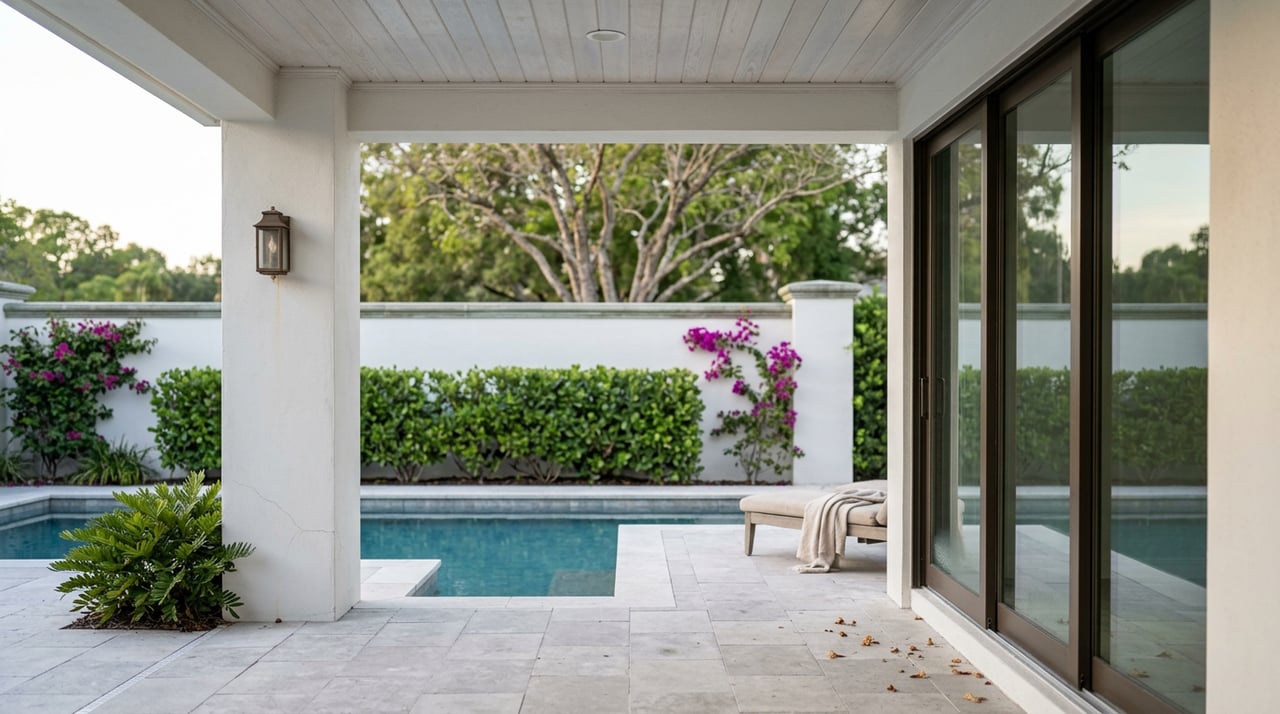
- Clean lines, minimal ornament, flat or low-slope roofs, and large spans of impact glazing facing water and pools.
- Retractable walls and open plans link living, dining, and kitchen directly to terraces and docks.
How it lives day to day
- Panoramic light and strong indoor-outdoor flow support easy entertaining.
- Privacy management relies on landscape and screens, especially on narrow lots.
Daily-living checklist
- Light: Abundant. Plan for shading and solar control.
- Privacy: Add landscape or screens where lots are tight.
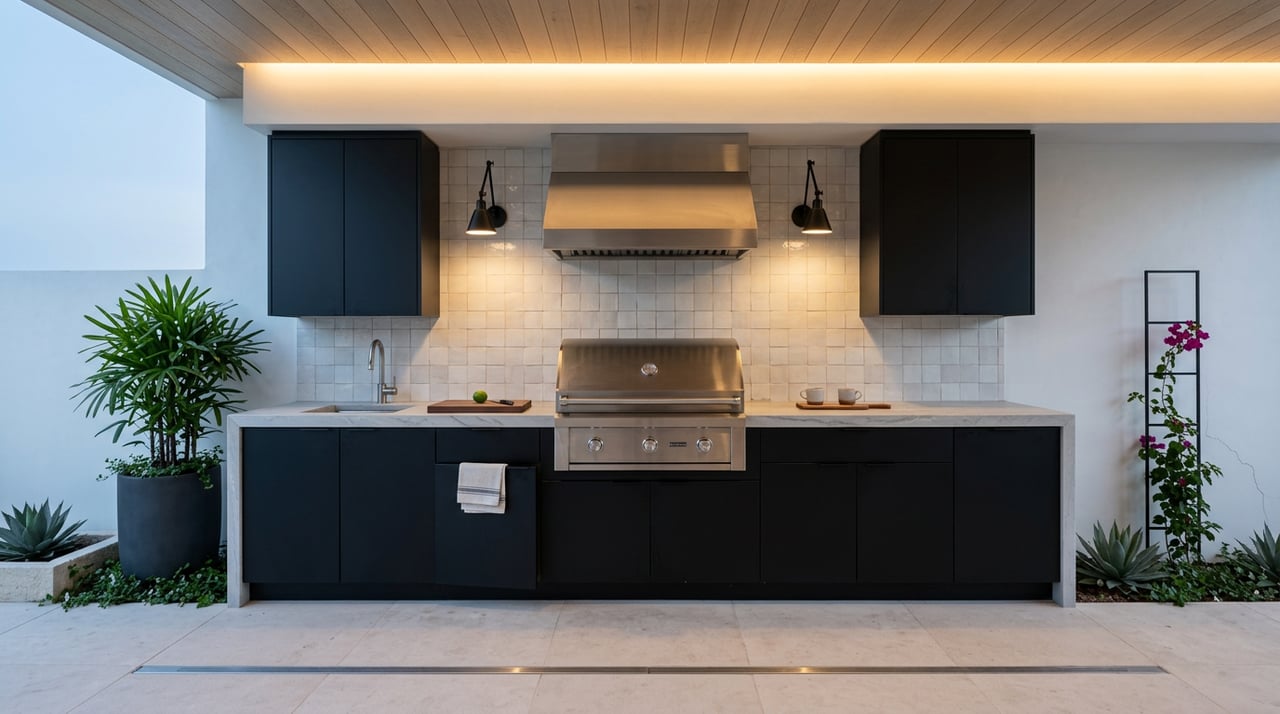
- Outdoor life: Seamless. Outdoor kitchens and pool decks are part of the main living zone.
- Upkeep: More glass means more cleaning and attention to HVAC.
Maintenance notes
- Large glazing areas increase demand for impact-rated windows, high-performance HVAC, and salt-resistant finishes. Local suppliers highlight coastal-rated products and stainless fasteners that hold up in humid, salty air (Window & Door Design Center insights).
- Docks, seawalls, and pool systems are separate scope items with their own permits and specialists.
Renovation snapshot
- Converting older homes to this look often means reworking structure, replacing windows with impact-rated systems, and upgrading the envelope to current code. Expect higher costs but a clear path with the right permits and approvals (Florida Building Code overview).
Wood-frame cottages
What you will notice
- Painted wood siding or shingles, metal roofs, broad porches, shutters, and airy, Key West or Caribbean cues.
- Common in historic pockets of West Palm Beach and scattered metro neighborhoods.
How it lives day to day
- Deep porches and screened lanais expand living areas and temper sun.
- Wood framing is flexible for interior reconfigurations and modest additions.
Daily-living checklist
- Light: Bright with shaded porches that filter glare.
- Privacy: Varies by lot and landscape.
- Outdoor life: Strong porch culture with easy cross-breezes.
- Upkeep: Active termite and moisture management.
Maintenance notes
- Budget for termite inspections and ongoing bait or barrier strategies suited to South Florida conditions (termite baiting research overview).
Renovation snapshot
- Framed walls are easier and often less costly to open than masonry. Additions and window relocations are common.
Daily living tradeoffs across styles
- Natural light and cooling: Mediterranean and Regency layouts temper glare with courtyards and covered outdoor rooms, which can feel cooler but a bit darker inside. Contemporary waterfront plans deliver expansive light and views but increase solar gain and cooling loads. Balance your goals with glazing performance and shading strategies (Preservation Foundation context).
- Indoor-outdoor life: Modern plans erase boundaries to pool and dock areas. Traditional homes lean on loggias and gardens to create shaded, elegant outdoor rooms (Architectural Digest example).
- Privacy vs. views: Glass walls favor views. Classical facades and hedged courts protect privacy. Landscape design is the key adjuster.
- Mechanical systems: More glass usually means higher cooling demand. Ask for HVAC age and service records and confirm window ratings for impact and solar control. Coastal units benefit from corrosion-resistant components and more frequent service intervals (Window & Door Design Center insights).
Permits and quick red flags
Before you fall in love, verify the essentials. These items affect insurance, timelines, and resale.
- Flood zone and elevation: Confirm FEMA flood zone and the property’s elevation. This informs design, insurance, and mitigation planning.
- Wind and impact requirements: Check county wind-speed maps and confirm if the home sits in a wind-borne debris region. This drives window and door ratings and installation details (Palm Beach County wind-speed maps; Florida Building Code overview).
- Seawall and shoreline: For waterfront, review seawall permits, condition, and any recent inspections or repairs.
- Roof and HVAC age: Tile roofs depend on underlayment life. Coastal HVAC equipment needs proactive service.
- Landmark or district status: On Palm Beach Island, exterior work on landmarked or publicly visible facades often requires review. See the Town’s Planning and ARCOM pages for process and timelines (Town of Palm Beach planning and ARCOM).
Maintenance and inspection checklist
Request and review these documents during inspections. They help you price risk and plan upgrades.
- Roof details: Age, type, last underlayment replacement, flashing repairs.
- Stucco and masonry: Paint or stucco records and any repointing. Verify appropriate, breathable systems on historic exteriors to avoid trapped moisture (National Park Service preservation briefs).
- Windows and doors: Florida Product Approval or Miami-Dade NOA where required, plus installation documentation. Coastal-rated finishes and 316 stainless fasteners are preferred in exposed areas (Window & Door Design Center insights).
- Mechanical systems: HVAC age, coil cleaning, corrosion checks, and service intervals.
- Waterfront elements: Seawall permits, dock plans, pool equipment records.
- Wood-frame specifics: Termite inspection reports and any bait-station contracts (termite baiting research overview).
Costs and value signals
- Cost drivers: Converting a masonry Mediterranean or Regency home to large glazed openings is a premium scope because of structure, custom fenestration, and, in some cases, preservation review. Waterfront projects often add seawall or dock work to the budget. Impact-rated windows and certified installation are common coastal premiums (National Park Service preservation briefs; Florida Building Code overview).
- Resale dynamics: Well-preserved Mediterranean and Regency estates remain signature assets on the island and can show strong long-term appeal. Contemporary waterfront homes often command premiums for views and turnkey systems, though owners should plan for higher near-term maintenance and resilience investments. Local interest in properly restored historic estates remains robust, supported by preservation efforts and market reporting (Preservation Foundation of Palm Beach).
Local resources to bookmark
- History and style glossary: Explore the island’s architectural DNA and notable elements (Preservation Foundation of Palm Beach).
- Town planning and design review: Track ARCOM and Landmarks processes and notices (Town of Palm Beach planning and ARCOM).
- Code and engineering context: Review coastal requirements for glazing and structure (Florida Building Code overview).
- Wind-speed and debris regions: Confirm design pressures for your address (Palm Beach County wind-speed maps).
- Preservation techniques: Masonry, stucco, and tile roof care for historic homes (National Park Service preservation briefs).
Ready to find your fit?
Choosing between shaded courtyards and sweeping glass is more than a style preference. It sets the tone for privacy, energy use, and what your first year of ownership will look like. If you want a single, accountable team to help you weigh daily living, plan smart upgrades, and manage the entire journey from purchase to renovation and ongoing estate care, connect with Triple Crown Group. We combine brokerage, construction management, and property stewardship so you can move with confidence.
FAQs
What should I check first when buying a Palm Beach waterfront home?
- Verify seawall permits and condition, confirm FEMA flood zone and elevation, and review wind-speed maps and impact window approvals before you price improvements.
How do Mediterranean and contemporary homes differ in daily light?
- Mediterranean layouts filter light through courtyards and loggias for a cooler, shaded feel, while contemporary waterfront designs maximize direct light and views, which increases solar gain.
Do Palm Beach Island renovations need special approvals?
- Many exterior changes on the island, especially for landmarked or street-visible work, go through the Town’s Architectural Commission and Landmarks review in addition to permits.
Are impact windows required across Palm Beach County?
- Requirements depend on your specific wind-borne debris region and design wind speeds; check county wind maps and confirm product approvals for the property’s address.
What maintenance items should I request from the seller?
- Ask for roof age and underlayment records, stucco or repointing history, window and door product approvals, HVAC service logs, seawall documentation, and any termite reports.
Are wood-frame cottages a higher risk in South Florida?
- Wood-frame homes can be flexible and cost-effective to modify, but you should plan for active termite and moisture management and include inspections in due diligence.