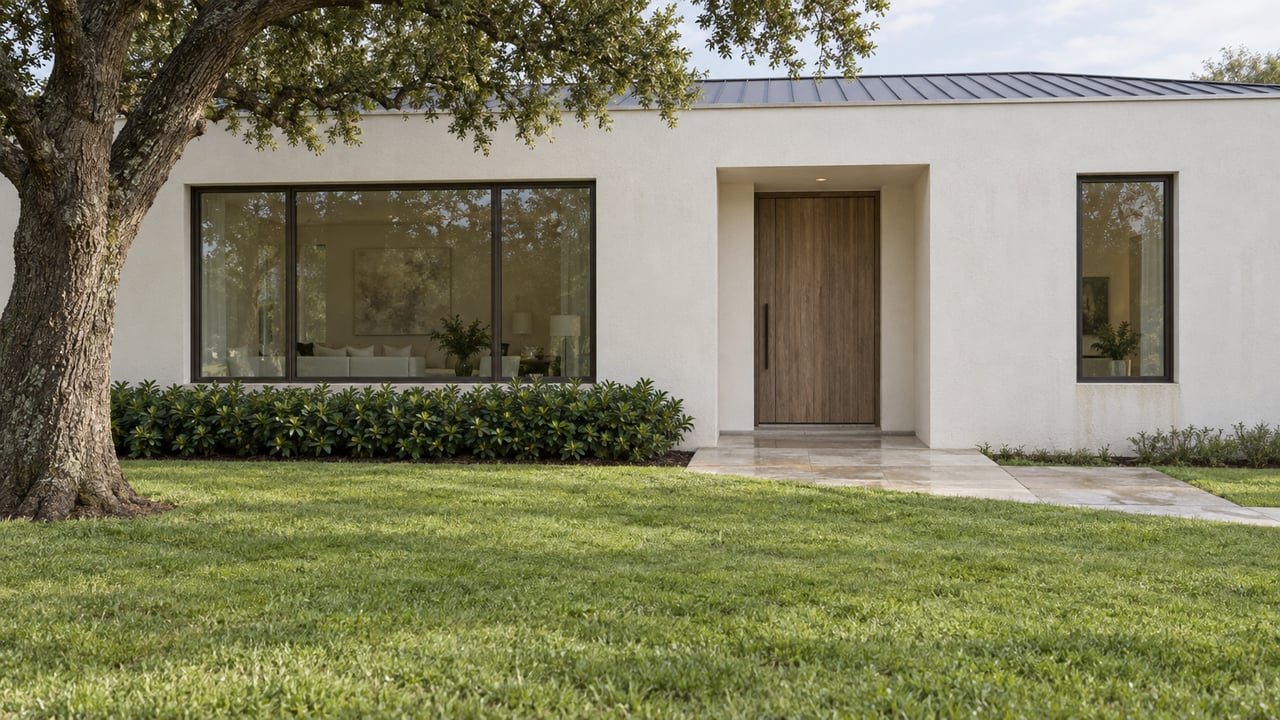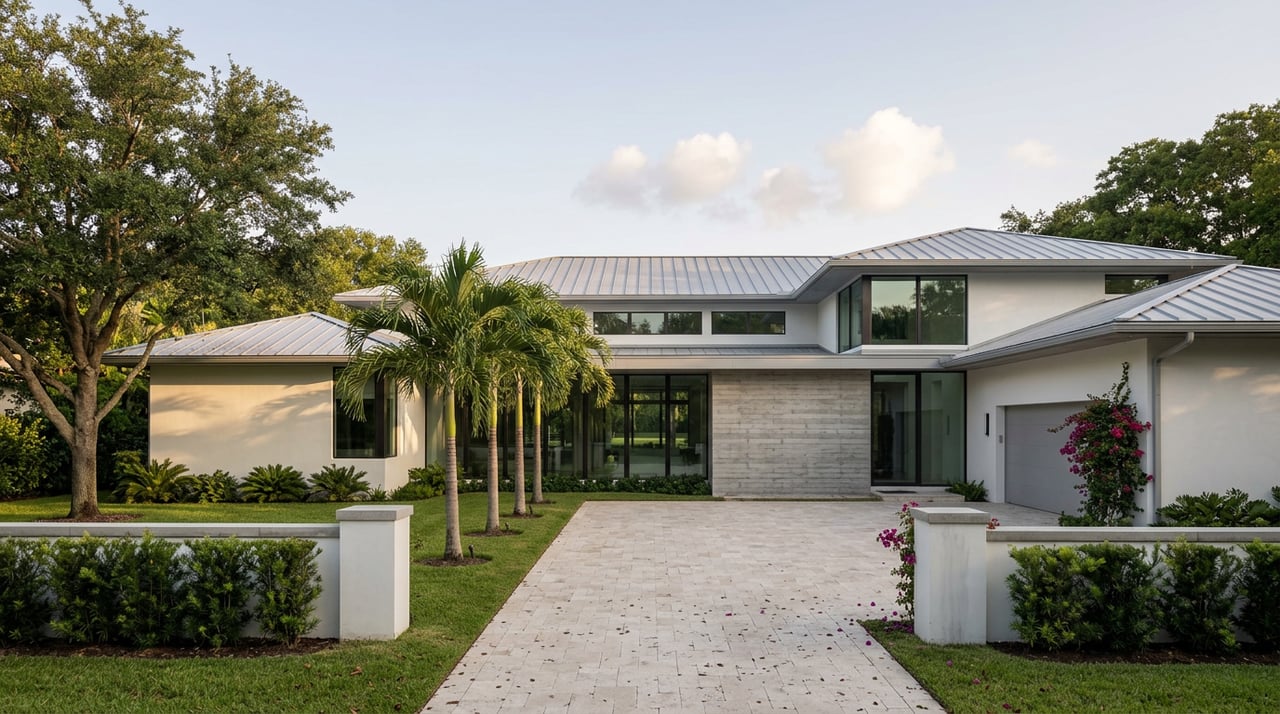
Thinking about a move to Palm Beach? With seasonality, insurance, club access, and waterfront rules in the mix, the path to closing can get complex fast. You want a clear plan, trusted local guidance, and a move-in day that feels effortless. This guide gives you a 90-day, step-by-step plan tailored to Palm Beach, West Palm Beach, Boca Raton, and Delray Beach, with the key actions, lead times, and checklists you need. Let’s dive in.
Why timing in Palm Beach matters
Palm Beach runs on two calendars. High season runs November through April, when demand for movers, inspectors, and contractors spikes. Book early, often 6 to 12 weeks in advance for premium vendors. Hurricane season runs June 1 to November 30, which can affect insurance underwriting and inspection priorities. Begin insurance shopping 30 to 60 days before closing if you are buying near or during hurricane season.
Club memberships can also take time. Some private clubs require sponsor introductions and have waitlists. Start outreach early so your preferred access lines up with your closing.
Your 90-day relocation plan
Below is a practical timeline to keep you on track from search to keys in hand.
Pre-search: 90+ days out
- Define lifestyle needs: target neighborhoods, commute or downtown access, marina or dock needs, and club interests. If this will be a primary residence, note school district boundaries without assuming quality.
- Start club research: membership categories, sponsor requirements, guest policies, and typical wait times. Begin introductions early for high-demand clubs.
- Build your vendor shortlist: movers, art and antiques shippers, designers, household managers, and a white-glove concierge team. Request availability windows and written estimates.
- Engage a local luxury agent who can coordinate showings, research HOA rules, and guide club introductions.
Day 0 to Day 2: Right after contract
- Confirm escrow and deposit timelines per Florida practice. Verify wiring instructions with the title company by phone.
- Open communication with the title company, both agents, and your lender if financing.
- Request HOA or condo documents and the estoppel letter right away. Associations often need 5 to 14 days.
- Order a preliminary title search to surface any easements, deed restrictions, and dock or beach access rights.
Days 1 to 14: Schedule inspections and start insurance
- Book inspections: general home, roof, HVAC, pool, and WDO for termites. For waterfront, add seawall, bulkhead, dock, and a marine contractor review.
- If financing, submit the appraisal request and lender paperwork. Expect possible wind mitigation and four-point reports for older homes.
- Start homeowners and flood insurance quotes. High-value or waterfront properties may need specialty carriers. Allow 2 to 4 weeks for bindable quotes.
- If you plan to renovate, request written bids from licensed contractors and ask for permit-path estimates.
Days 15 to 30: Review findings and clear contingencies
- Review HOA or condo rules for renovation limits, leasing rules, parking, and any special assessments shown in the estoppel letter.
- Negotiate repairs or credits using contractor estimates. Confirm repair timing and scope in writing.
- For dock or boat slip transfers, verify transfer rules, fees, and approval steps early.
- Work with the title company to clear liens and encumbrances before closing.
Days 31 to 60: Bind insurance and book your team
- Bind homeowners and flood insurance. Submit wind mitigation and four-point reports to improve eligibility and pricing when applicable.
- Lock in movers and specialty shippers. For international shipments, begin customs documentation and detailed inventories now.
- Confirm contractor licensing, insurance, and timelines. Check permit requirements for your municipality.
- Schedule utilities to switch on at closing or move-in.
Days 61 to 90: Final readiness and move
- Complete a walkthrough with your agent and confirm all agreed repairs are finished.
- Arrange rekeying, alarm transfer, and any smart home onboarding.
- Set up mail forwarding, driver’s license, and vehicle registration steps. Florida requires new residents to register vehicles and update licenses within 30 days.
- Lock in move-day logistics: reserve condo service elevators, coordinate building move windows, confirm truck access routes, and secure any required parking or permits.
- At closing: wire funds per verified instructions, have your insurance binder, and request the recorded deed copy.
Club, beach, and waterfront access
- Private clubs and beach clubs: Memberships vary by category and may require sponsors, initiation fees, and acceptance. Start early so acceptance aligns with your move.
- HOA or deeded beach access: Some properties include deeded paths or community access with defined guest and parking rules.
- Public beaches: Municipal access points across Palm Beach and nearby cities follow posted parking and seasonal rules.
- Docks and marinas: Inspect seawalls and bulkheads with a marine professional. Slip transfers can be governed by HOAs or marinas and may require membership or approvals. Shoreline work often needs county, state, and federal permits, which can take months.
Common friction points include club approvals lagging past closing, unpaid HOA assessments surfaced by the estoppel, and limited street or guest parking for move day. Plan around these early.
Insurance and hurricane readiness
- Homeowners insurance: Lenders require active coverage at closing. Waterfront and wind-exposed properties often have hurricane deductibles.
- Flood insurance: This is separate from homeowners policies and may be required by your lender depending on FEMA flood zone data. Consider both National Flood Insurance Program and private options.
- Required reports: Wind mitigation and four-point inspections help determine eligibility and premium for many carriers.
- Mitigation planning: Shutters or impact systems, roof tie-downs, and secondary water barriers can reduce risk and may improve premiums. Generators often require permits and long lead times, so plan early. Elevation certificates may be needed for flood underwriting.
Utilities and essential services
Electricity: Florida Power & Light serves much of Palm Beach County. Set up your account online or by phone and confirm activation timing.
Water, sewer, trash: Provided by local municipalities such as the Town of Palm Beach, City of West Palm Beach, City of Boca Raton, or Palm Beach County utilities. Confirm service transfer dates and any required inspections.
Internet and cable: Comcast or AT&T serve most addresses. Book installs 2 to 3 weeks in advance, especially during high season.
Gas and propane: Coordinate deliveries for generators, pools, and outdoor kitchens where applicable.
Tip: Confirm bulk pickup rules and recycle schedules for your specific address so move-day debris is handled correctly.
Renovations, permits, and contractors
- Verify licensing with the Florida Department of Business and Professional Regulation. Require proof of liability and workers’ compensation before work begins.
- Permits are required for structural, electrical, plumbing, HVAC, pools, fencing, and many exterior items. Timelines vary by municipality, so build in buffer time.
- Use written scopes with milestones and lien releases to protect against post-closing mechanic’s liens.
- Most work begins after closing. You can prepare scopes, contracts, and permit applications in advance, but physical work typically starts once you own the property.
Move-day logistics and Florida closings
- Title companies in Florida handle escrow, closing funds, and recording. Always call the title company to confirm wire instructions and avoid fraud.
- Documentary stamp taxes and intangible taxes are handled at closing. HOA or condo transfer and estoppel fees must be satisfied.
- Condo moves require elevator reservations, certificates of insurance for moving companies, and building-approved move windows.
- Some gated roads and neighborhoods have truck size limits or routing rules. Coordinate with the municipality or gate association in advance.
- New residents should update driver’s licenses and vehicle registrations within 30 days through Palm Beach County Tax Collector offices.
Quick-reference lead times
- Club or private membership: 1 to 6 months or more
- Movers and art shippers in high season: 4 to 8 weeks or more
- HOA or condo estoppel and documents: request at contract, often 7 to 14 days
- Insurance binding: allow 2 to 4 weeks, longer for high-value or waterfront
- Contractor bids and permits: 2 to 8 weeks, permit timelines vary by city
- Title search and lien resolution: start immediately, financed closings often 30 to 45 days
How Triple Crown Group helps
You want fewer handoffs and a smoother path from offer to move-in. Triple Crown Group unites brokerage, construction management, and estate management under one local team, so you get continuity at every step. We help you:
- Target the right neighborhoods and properties, including waterfront and renovation-ready homes.
- Coordinate inspections, contractor bids, and permit-path planning so renovation timelines are realistic.
- Set up utilities and household services and line up trusted vendors for art, furnishings, and specialty needs.
- Prepare for seasonality with early insurance outreach, move-day scheduling, and backup plans.
If you are planning a move to Palm Beach, West Palm Beach, Boca Raton, or Delray Beach, we are ready to guide you from search to stewardship. Start the conversation with Triple Crown Group.
FAQs
How long do luxury closings in Palm Beach take?
- Many financed closings take 30 to 45 days from contract, while cash deals can be faster if title is clear and association documents are complete.
What should I expect for homeowners insurance in Palm Beach?
- Waterfront and wind-exposed properties often carry higher premiums and hurricane deductibles, and flood insurance is separate and may be required by your lender.
How can I access beaches and private clubs quickly after moving?
- Public beaches are available right away subject to local parking rules, while private club access starts after membership acceptance and any guest privileges arranged by the club.
Which inspections are essential for coastal homes?
- Schedule general home, roof, HVAC, pool, WDO, and for waterfront properties include seawall, bulkhead, and dock inspections plus wind mitigation and a four-point for insurance.
What paperwork is needed to transfer docks or slips?
- Dock and slip rights can be deeded, leased, or controlled by an HOA or marina, so verify transferability, fees, and approvals early and allow time for any permits.
Can I start renovations before closing on a Palm Beach home?
- Physical work usually starts after ownership transfers, though you can finalize scopes, contractor agreements, and permit applications in advance with proper approvals.
What are the most common move-day bottlenecks in condos?
- Limited elevator windows, required insurance certificates for movers, and parking restrictions are common, so reserve early and confirm building rules in writing.