Thinking about buying in West Palm Beach but torn between a modern new build and a historic charmer? You are not alone. Many buyers weigh lifestyle, project timelines, and total cost before deciding. This guide breaks down what changes your timeline, budget, and daily living experience so you can move forward with clarity. Let’s dive in.
Your options at a glance
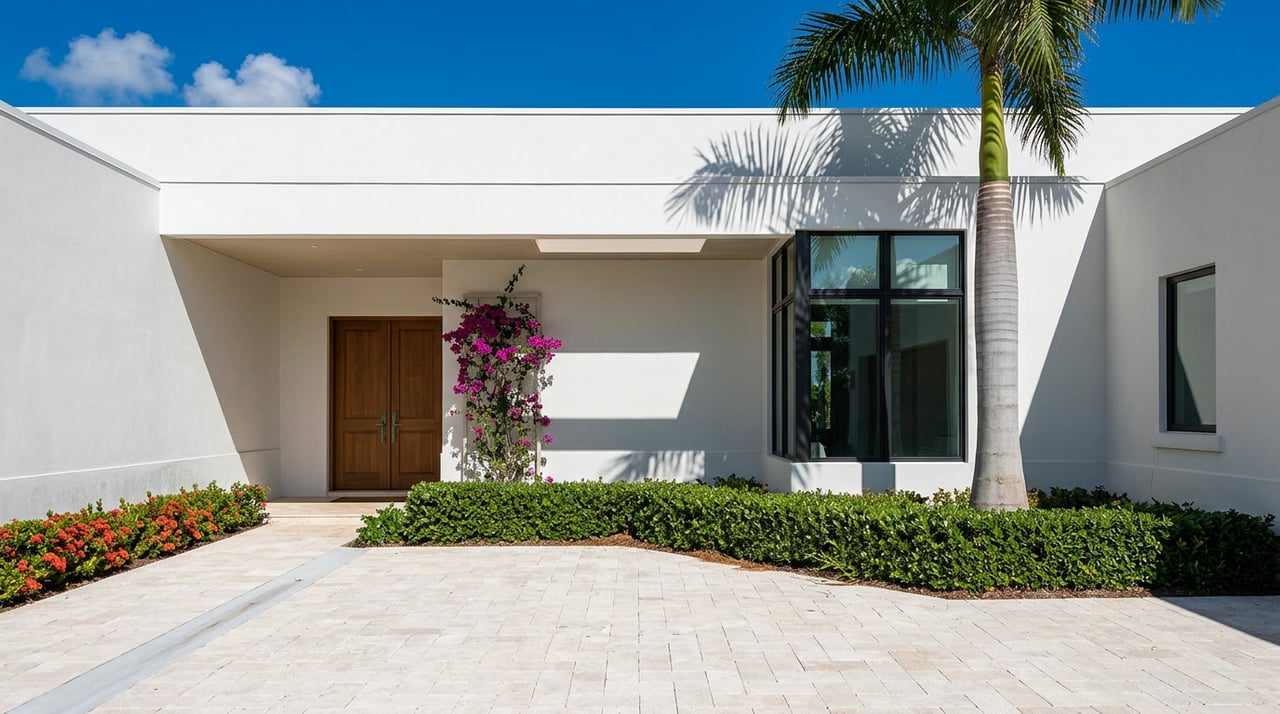
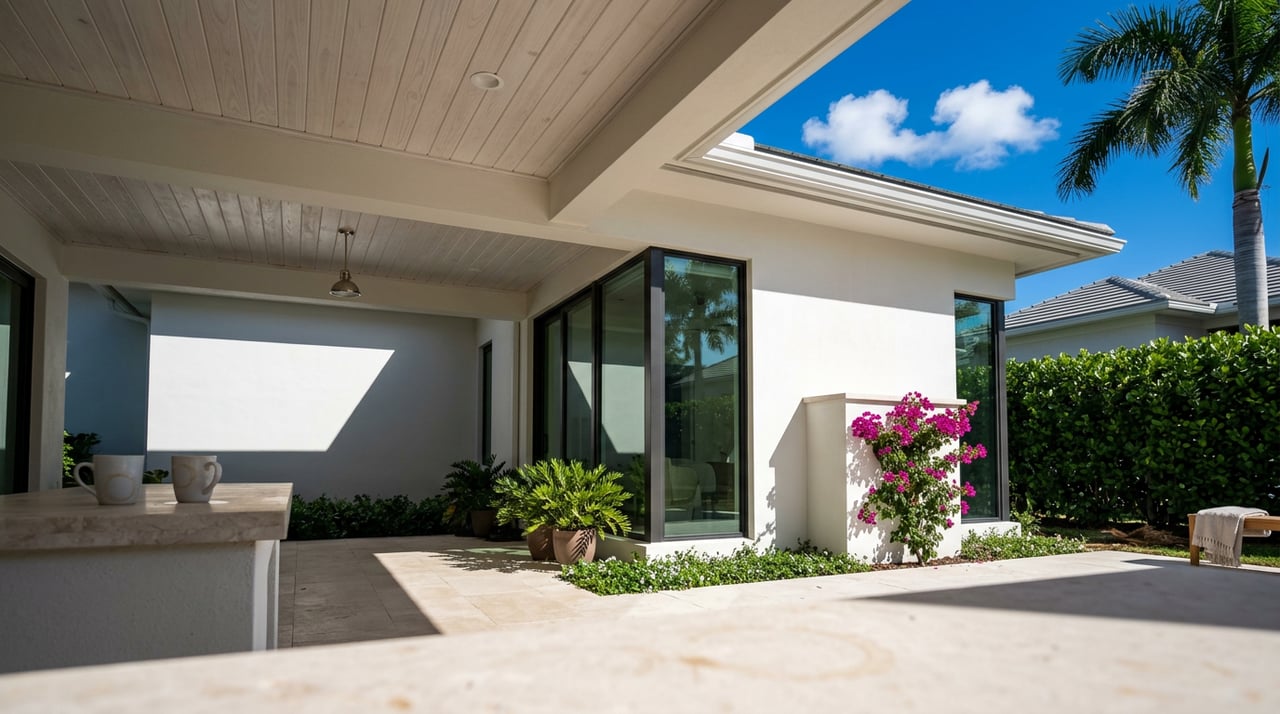
Choosing between SoSo new construction and historic homes in El Cid or Prospect Park starts with lifestyle. SoSo has seen steady infill redevelopment with contemporary homes and townhomes. You will find modern layouts, energy‑efficient systems, and a move‑in ready feel.
El Cid and Prospect Park are established historic districts with Mediterranean Revival, Mission, and early 20th‑century architecture. Streetscapes are mature and cohesive, and the character is a major part of the value. Buyers often pay for location and charm, while planning for more maintenance and upgrades.
On price and value, new builds in SoSo can command a premium for modern living and lower near‑term maintenance. Renovated historic homes in El Cid and Prospect Park also carry premiums for location and authentic details, especially when restored thoughtfully. Your tradeoff is turnkey convenience versus architectural character and the stewardship that comes with it.
Permits and reviews that affect timing
Understanding how your project is reviewed and permitted is key to setting realistic expectations.
New build in SoSo: what to expect
Plan on a site survey, architectural and structural plans, and stormwater compliance before filing for a building permit. Reviews may include utility coordination, tree removal permits, and potential variances for setbacks or lot coverage. Pre‑construction permitting commonly adds 1 to 6 months, depending on complexity and whether variances are needed. Once permitted, custom single‑family construction often runs 8 to 14 months in South Florida, depending on size and finish level.
Historic renovation in El Cid or Prospect Park
Exterior changes in these local historic districts are reviewed by the City’s Historic Preservation Division and often require a Certificate of Appropriateness. Design review can add 4 to 12 weeks or more to a typical building permit timeline, and projects needing public hearings may take longer. Demolition and additions receive close scrutiny, and some demolition proposals can be denied or conditioned to preserve historic fabric. Interior updates are often less regulated unless protected features are affected or local rules apply.
Shared coastal code factors
Many West Palm Beach properties lie within or near FEMA flood zones. Base flood elevation requirements can drive foundation design, elevation of living areas, and flood vent details, which affects cost and sequencing. The Florida Building Code and coastal wind requirements apply to both paths, which often means impact‑rated windows and reinforced connections. New builds may also have higher utility impact and connection fees than renovations; always confirm with the City for the specific parcel.
Scope of work: how big is the lift?
Historic home scopes
Typical scopes range from cosmetic refreshes to full systems upgrades and structural work. Systems often need attention, including electrical, plumbing, and HVAC, and may trigger additional permits and inspections. Window replacements, roof work, and additions are higher‑touch because they can change the exterior appearance and require historic review. Lead paint, asbestos, wood rot, or termite damage can add specialized remediation.
New build scopes
A new build usually includes demolition or tear‑down, drainage and stormwater improvements, and a foundation designed to site‑specific soils and flood elevation. Soft costs like architecture, engineering, surveys, and permits typically make up 12 to 25 percent of a custom build budget. Finish levels, custom features, and site conditions are the biggest drivers of your final price per square foot. Supply chain and labor availability can also influence schedule and cost.
Hidden risks and contingencies
Historic homes can hide non‑code electrical, outdated plumbing, concealed moisture or pest damage, and hazardous materials. Many buyers budget a 10 to 30 percent contingency depending on the age of the home and scope. New builds are typically more predictable, but a 10 to 20 percent contingency is still smart for unforeseen site conditions or material changes. Preservation boards may require repair in kind for certain historic materials, which can increase costs versus standard replacements.
Budget ranges in today’s market
Every site is unique, but these West Palm Beach area ranges help you frame a total project budget:
- Historic renovation, moderate (cosmetic plus systems): 100 to 250 dollars per square foot
- Historic renovation, major (structural, additions, full systems, preservation work): 200 to 450 plus dollars per square foot
- Tear‑down and custom new build, moderate to high finishes: 250 to 550 plus dollars per square foot
- Production or semi‑spec new home with standard finishes: 180 to 300 dollars per square foot
Plan for these budget components regardless of path:
- Acquisition cost
- Pre‑construction and soft costs: surveys, architecture and engineering, permits, impact and review fees
- Demolition and site work
- Hard costs: foundation, structure, mechanicals, finishes, landscaping
- Testing, inspections, and utility connections
- Contingency: 10 to 30 percent depending on risk
- Carrying costs: taxes, insurance, interest during construction
- Professional fees: project management, architect, structural engineer
Why ranges vary: flood elevation and soil conditions can add foundation and structural costs near the coast. Specialized craftsmen and period materials increase historic restoration costs. High‑end finishes and custom design drive per‑square‑foot pricing in both scenarios.
Timeline to keys in hand
If you pursue a custom new build in SoSo, plan for approximately 1 to 6 months for pre‑construction reviews and 8 to 14 months for construction. That places many projects in a 9 to 20 month window, depending on complexity and approvals. A major historic renovation often takes longer than a new build due to discovery, specialized trades, and historic board reviews, especially if additions or exterior changes are significant. Buying an already renovated historic home can shorten your path to move‑in compared with launching a full renovation.
Decision framework: which path fits you
Use these prompts to align your choice with your goals:
- You want turnkey living and fewer early repairs. Consider new build or a recently completed infill home in SoSo.
- You value architecture and mature streetscapes over maximum convenience. Consider a historic home in El Cid or Prospect Park, with a realistic plan for preservation and upgrades.
- Your timeline is fixed. Avoid major historic renovations and seek either new construction that is near completion or an already renovated historic property.
- You are comfortable with board approvals and phased work. A historic home can be rewarding if you plan scope carefully and work with experienced preservation professionals.
- You prefer cost predictability. New builds typically offer clearer cost control, though finish choices can move the budget.
Due diligence checklist before you commit
- Confirm zoning, lot restrictions, and whether a historic overlay applies for the property.
- Verify the FEMA flood zone and base flood elevation requirements for the site.
- Order a full home inspection plus pest, mold, lead, and asbestos checks for older homes.
- Consult the City’s Historic Preservation Division about likely outcomes for proposed exterior changes and additions.
- Request recent comparable sales and cost analyses for SoSo new builds and El Cid or Prospect Park historic homes.
- Obtain at least two contractor estimates for both a renovation scope and a new‑build scope, including elevation, foundation, hurricane protection, and utilities.
- Model total cost of ownership: upfront project costs, maintenance, insurance, flood and wind coverage, and property taxes.
- Confirm permit timelines, review steps, and fees with the City’s Building Division for projects similar to yours.
Financing and insurance considerations
Renovation financing options can include construction‑to‑permanent loans and FHA 203(k) for eligible properties. New construction typically uses a construction loan that converts to a permanent mortgage at completion. Flood insurance may be required based on the property’s zone and elevation, and elevating structures can reduce premiums while increasing upfront cost. Work with your lender and insurance advisor early so you understand carrying costs and draw schedules.
How Triple Crown Group can help
If you are drawn to SoSo’s modern infill or the character of El Cid and Prospect Park, having one accountable team from search to completion makes a difference. Triple Crown Group pairs local brokerage expertise with construction management and ongoing estate management under a single roof. You get clear budgeting, guidance through permitting and historic review, vetted contractor coordination, and schedule oversight until move‑in. After closing, our estate management keeps your property operating smoothly and market‑ready.
Ready to compare your specific options and build a realistic plan? Connect with the Triple Crown Group to start a focused, end‑to‑end strategy for your West Palm Beach home.
FAQs
What should I budget per square foot in West Palm Beach?
- New custom builds commonly run 250 to 550 plus dollars per square foot, while production or semi‑spec builds can be 180 to 300. Historic renovations vary widely from 100 to 450 plus depending on scope and preservation needs.
How long does permitting take for a SoSo new build?
- Pre‑construction permit reviews often add 1 to 6 months depending on variances, site conditions, and review complexity.
How do historic district reviews affect renovations in El Cid and Prospect Park?
- Exterior changes usually require a Certificate of Appropriateness and historic board review, which can add 4 to 12 weeks or more to the timeline, especially if hearings are needed.
What flood and wind requirements should I expect near the coast?
- Many properties fall within FEMA flood zones, which can require elevated foundations and flood vents. The Florida Building Code’s coastal wind standards often mean impact‑rated windows and reinforced connections for both new builds and major renovations.
How much contingency should I set aside?
- Historic renovations often warrant a 15 to 30 percent contingency due to unknowns, while new builds commonly carry 10 to 20 percent for site or scope changes.
What financing paths support renovation or new construction?
- Buyers often use construction‑to‑permanent loans for both new builds and renovations, and some eligible renovation projects may qualify for FHA 203(k). Lender requirements vary by scope and property.