Is your closing date approaching while your insurance binder is still in limbo? You are not alone. Florida’s insurance market has been shifting, and luxury properties in Palm Beach County feel the impact first. In this guide, you will learn how insurer availability, wind‑mitigation credits, and roof age influence underwriting and timelines in West Palm Beach and nearby coastal markets, plus the steps you can take now to keep your closing on track. Let’s dive in.
Florida insurance shifts at a glance
Florida has seen a volatile homeowners insurance market in recent years. Carriers face high catastrophe exposure, rising reinsurance costs, and legal pressures. The result is fewer admitted carriers writing certain coastal ZIP codes, higher premiums and deductibles, and tighter underwriting.
For you, that can mean fewer options, more conditions, and stricter timelines. Some buyers and sellers turn to Citizens Property Insurance or surplus‑lines carriers when private admitted coverage is not available. Lenders typically require proof of acceptable coverage and a binder before funding, so any delay in securing that binder can stall a closing.
Local impact in Palm Beach County
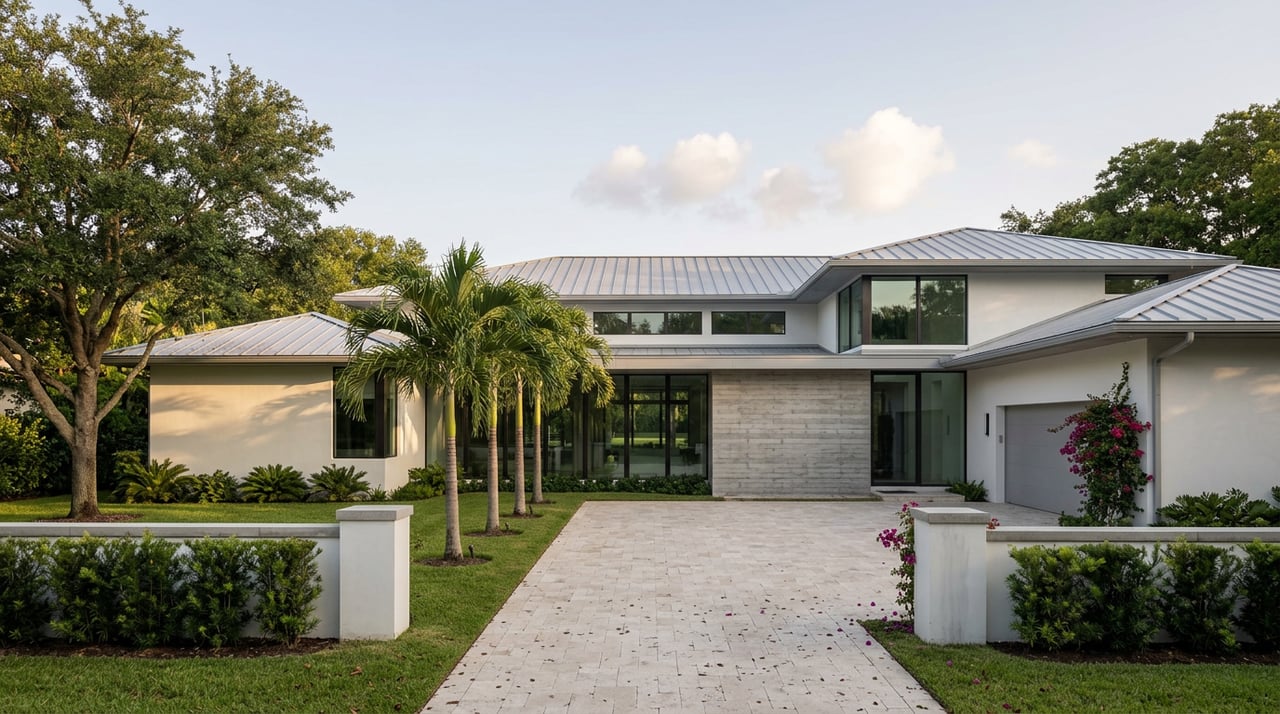
West Palm Beach and the broader Palm Beach County coast showcase high‑value homes and meaningful wind exposure. That combination attracts closer scrutiny from insurers. Carriers often ask for inspections, certifications, or even repairs before binding.
This is especially common near the ocean or Intracoastal, where underwriting appetite can be limited. You may encounter higher deductibles, roof conditions, or requests for additional documentation. Planning early helps you avoid last‑minute surprises.
Admitted vs. surplus‑lines, explained
- Admitted carriers are regulated by the state and participate in guaranty funds. Policies can include consumer protections set by Florida regulators.
- Surplus‑lines carriers are not admitted in Florida. They step in when admitted carriers will not write a risk. Policies can differ in form and protections, and lenders may review them more closely.
Both options can be viable depending on the property and lender requirements. Your decision often comes down to timing, coverage terms, and lender acceptance.
Wind‑mitigation credits: savings and leverage
Wind‑mitigation credits reward features that reduce storm risk and can meaningfully lower premiums. On high‑value coastal homes, these credits also make insurers more willing to write the risk.
Common features that earn credits include roof covering and age, roof‑to‑wall connections like hurricane straps or clips, roof deck attachment details, impact‑rated opening protection (windows, doors, shutters), and a hip roof design. When these features are documented, carriers can apply credits and may improve your terms.
Inspections you may need
- Wind‑mitigation inspection. A licensed professional documents your home’s risk‑reducing features on a standard form carriers use to apply credits.
- 4‑point or 8‑point inspection. Some carriers require these for older homes to assess major systems such as roof, electrical, plumbing, and HVAC.
Expect to schedule these early in the contract period. Reports are typically quick once the inspection is complete and are a key part of your underwriting file.
Timing in Palm Beach County
Scheduling a wind‑mitigation inspection usually takes a few days to a couple of weeks, depending on demand. If the report shows missing features, small upgrades may take days, while major roof work can take weeks to months. In Palm Beach County, permits, HOA or architectural reviews, and contractor availability can add time. The sooner you start, the more options you have.
Roof age and certifications
Insurers place heavy weight on roof condition because roofs drive a large share of hurricane losses. Many carriers set roof‑age thresholds, often ranging from around 10 to 25 years depending on the material and insurer. Once a roof passes a carrier’s threshold, you may face choices:
- Provide a roof certification from a licensed contractor or engineer showing remaining useful life.
- Complete repairs or a full replacement before binding coverage.
- Accept higher premiums or a roof‑specific deductible.
If a preferred carrier will not bind until roof work is done, your lender still needs acceptable coverage at closing. That can lead to delays unless you secure an alternative insurer, negotiate an escrow for repairs that your lender accepts, or adjust your closing timeline.
Luxury roof nuances
High‑end homes often feature complex roof systems like custom tile, slate, copper, or green roofs. These materials require specialized contractors and longer lead times. If your property is in an HOA or historic area, you may also need design approvals that extend schedules. Build in extra calendar time for bidding, permitting, and final inspections.
How insurance issues delay closings
Several factors commonly push closings off schedule in Palm Beach County:
- Carrier availability and appetite can slow quotes and binding.
- Underwriting conditions often require wind‑mitigation, roof certifications, or 4‑/8‑point inspections.
- Permits and contractor schedules can stretch roof work into weeks or months.
- Lenders need a binder from an acceptable insurer; approval standards vary by lender.
- HOA, architectural, or historic reviews can add weeks to replacement timelines.
Typical timeline scenarios
- Best case. Wind‑mitigation features are documented, roof age meets guidelines, and an admitted carrier is available. Quotes and a binder arrive in 3 to 10 business days.
- Moderate case. The roof is older but certifiable and inspections are needed. Plan for 2 to 3 weeks for scheduling, inspections, and documentation before binding.
- Challenging case. Roof replacement or major repairs are required, with HOA approvals and permits. Expect 4 to 12 or more weeks for contracting, permitting, work, and final sign‑offs.
Escrow and other workarounds
If a carrier or lender requires roof work, you may still be able to close on time using one of these approaches, subject to lender and title approval:
- Escrow for repairs. The parties agree to hold funds after closing to cover required work. Terms must satisfy the lender and title company.
- Short‑term or transitional policies. Some sellers use short‑term solutions to bridge to closing. Review coverage closely and confirm lender acceptance.
- Surplus‑lines placement. For tougher risks, surplus‑lines carriers can sometimes bind faster, but buyers and lenders must be comfortable with non‑admitted coverage.
Proactive steps to protect your closing
Early, coordinated action is the single best way to keep a deal on track. Start planning at contract and move fast on documentation.
What to do first
- Engage an insurance broker early to test carrier appetite and pricing.
- Order wind‑mitigation and roof inspections as soon as the contract is signed.
- If the roof is older, secure a roof certification and a bid with timelines for potential replacement.
Documents to assemble
- Prior insurance declarations pages and claims history.
- Roof permits, invoices, and maintenance records.
- Existing wind‑mitigation reports and photos of features like straps, shutters, and roof deck attachment.
- HOA or architectural approvals tied to roof work, plus prior final inspections.
Tactics that help
- Have a contractor or engineer provide a written roof life estimate and a firm price and schedule for replacement if needed.
- Complete targeted mitigation upgrades, such as secondary water barriers or impact opening protection, to improve underwriting and reduce premiums.
- Negotiate contract language that addresses insurance delays, including timelines for escrow, who handles roof replacement if required, and what happens if a binder is not available by a certain date.
- Confirm lender rules on admitted carriers, surplus‑lines, Citizens, and escrow options. Ask for the insurer acceptability list up front.
- Involve specialists familiar with Palm Beach County permitting and coastal underwriting standards.
Quick checklist for agents and clients
- Order wind‑mitigation and roof inspections at contract.
- Collect prior policy documents and claims history.
- Request quotes from multiple carriers through your broker.
- Confirm HOA rules and local permit timelines for roof work.
- Add contract clauses for escrow and insurance‑driven delays.
- Pre‑book contractors if replacement looks likely.
A sample timeline for West Palm Beach closings
- Week 0 to 1: Engage broker, request preliminary quotes, order wind‑mitigation and roof inspections, gather prior policy and roof documents.
- Week 1 to 2: Complete inspections; deliver reports to carriers; secure roof certification if needed; refine quotes and terms.
- Week 2 to 3: Finalize carrier selection; satisfy any underwriting conditions; confirm lender acceptance; target binder issuance.
- Week 3 to 6+: If replacement is required, pursue permits and HOA approvals; schedule work in parallel with escrow planning if closing must proceed first and lender allows it.
How Triple Crown Group keeps deals moving
On complex luxury transactions, coordination is everything. You need aligned brokerage, construction, and property operations to reduce risk, document the home properly, and keep timelines intact. That is where an integrated approach adds real value.
Here is how a single local team can help you stay ahead:
- Brokerage guidance. We flag insurance‑sensitive issues early, shape contract language around inspections and insurance timelines, and coordinate with your lender and title from day one.
- Construction management. We line up roof and mitigation inspections quickly, scope replacement work, bid qualified contractors, and manage permitting and scheduling. When a carrier requires specific upgrades, we help execute them efficiently.
- Estate management readiness. For absentee owners or seasonal residents, we assemble maintenance records, monitor vendor progress, and ensure final inspections and documentation are completed and archived for future renewals.
With clear documentation and decisive scheduling, you can turn insurance from a blocker into a solvable process step.
Ready to protect your timeline and close with confidence? Connect with the Triple Crown Group to align your insurance planning, inspections, and construction tasks under one accountable team.
FAQs
What should Palm Beach buyers do first about insurance?
- Start insurance planning at contract: order wind‑mitigation and roof inspections, gather prior policy documents, and ask your lender for insurer requirements and acceptability.
Can I close in West Palm Beach with a surplus‑lines policy?
- Often yes, but it depends on your lender’s rules. Confirm acceptance of the carrier, policy form, and binder well before closing.
How old can a roof be before insurers hesitate?
- Many carriers set thresholds between roughly 10 and 25 years depending on roof material and guidelines. Older roofs may require a certification or replacement before binding.
How long does a wind‑mitigation inspection take?
- Scheduling is usually a few days to two weeks, with quick report turnaround once complete. Plan earlier during peak seasons when inspectors book up.
Will wind‑mitigation credits lower my premium?
- Yes, if qualifying features are documented. Credits for roof attachments, impact openings, and other features can reduce cost and improve underwriting appetite.
Can we escrow for roof replacement to avoid delays?
- Sometimes. Escrow terms must be acceptable to the lender and title company, and some carriers still will not bind until work is completed.
What if my HOA or historic review slows roof work?
- Build in extra time for design approvals and permits. Start submittals early and secure contractor schedules as soon as possible to protect your closing date.