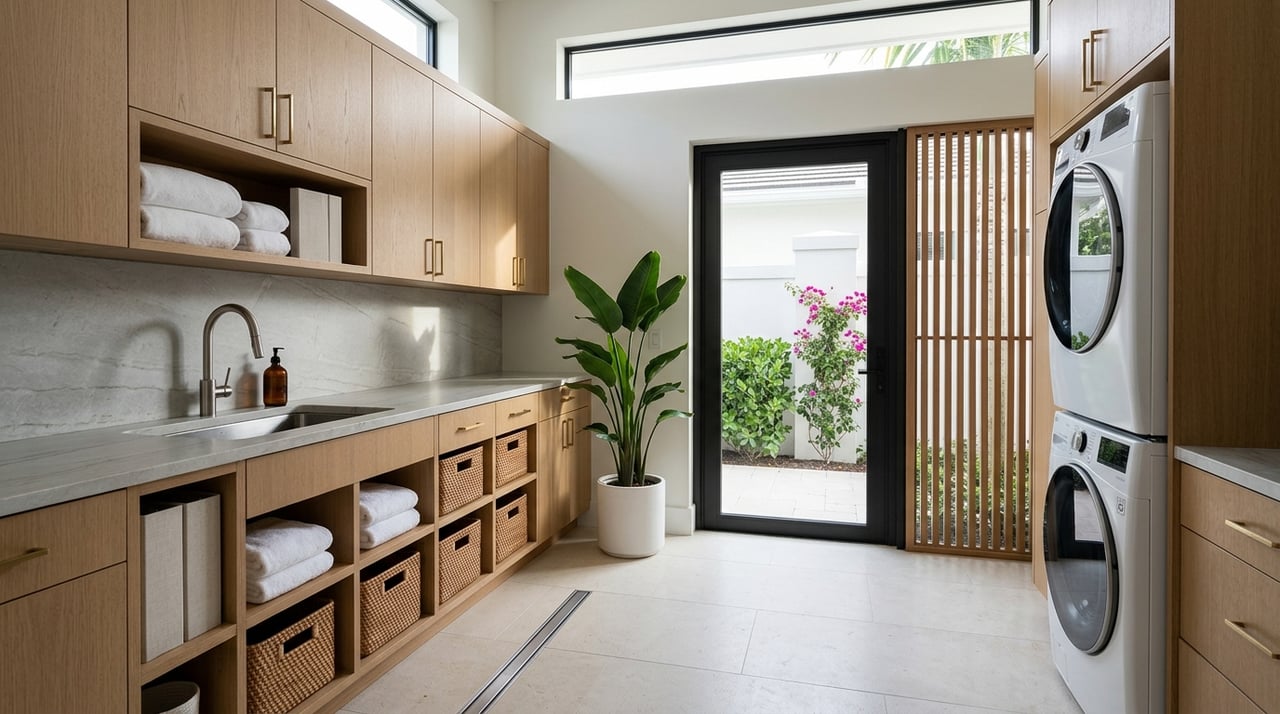
Running a Palm Beach estate well is not just about upkeep. It is about timing, accountability, and having a plan that fits South Florida’s climate, permit environment, and storm risk. If you own a full-time residence, seasonal home, or absentee property in Palm Beach, a clear operating plan can help you protect the home, avoid preventable issues, and keep decisions simple when conditions change. Let’s dive in.
Why Palm Beach estates need a plan
In Palm Beach, estate operations follow the seasons more closely than many owners expect. South Florida’s wet season runs from May 15 through October 15, and Atlantic hurricane season runs from June 1 through November 30. That overlap means your busiest risk window lands squarely in late spring, summer, and fall.
A smart operating plan treats late winter and spring as the main preparation period. Summer and fall become the monitoring and response phase, while winter is often the best time for deferred repairs and larger capital projects. That seasonal rhythm helps you stay ahead instead of reacting under pressure.
Start with one accountable lead
Every estate needs a single point of accountability. That can be your property manager, estate manager, or another designated lead, but the role should be clear from the start. When one person owns the process, communication is faster and vendor coordination is more consistent.
Your plan should also name backup decision-makers. If you travel often or live out of the area, that backup matters during storm events, urgent repairs, or permit-related scheduling changes. It also helps to set preapproval spending thresholds so small issues can be handled quickly without waiting for a chain of approvals.
Build your Palm Beach maintenance calendar
The best operating plans use a seasonal calendar, not ad hoc service calls. In Palm Beach County, that calendar should cover the systems and exterior features most affected by weather, moisture, and local code expectations. It should also reflect the fact that exterior components are expected to stay weather tight, sound, and in good condition.
At a minimum, your maintenance calendar should track:
- Roof condition and visible drainage issues
- Window and exterior integrity
- Landscaping and hedge maintenance
- Irrigation scheduling and compliance
- Pool service
- HVAC and dehumidification service
- Generator checks and service
- Pest control
- Alarm or security monitoring
- Follow-up on any code-related concerns
This is especially important for lightly used or vacant homes. Palm Beach County’s property-maintenance guidance is clear that grass height, hedge height, and outdoor storage can become enforcement issues if routine oversight slips.
Understand local upkeep standards
Palm Beach estate ownership comes with specific maintenance expectations. County guidance states that grass height must not exceed 18 inches. Front-yard hedges should remain at 4 feet or less, while side and rear hedges should stay at 10 feet or less.
Outdoor storage of materials and equipment is also prohibited on residential property. For owners, that means even a beautiful estate can create avoidable issues if service schedules are inconsistent or if a vacant home goes unchecked for too long. A regular site visit schedule is not optional in practice. It is part of protecting the asset.
Plan around permits before work begins
One of the biggest operating mistakes in Palm Beach is treating exterior work as routine. In Palm Beach County, the entire county is treated as a flood hazard area under the Florida Building Code. Because of that, recent state permit exemptions do not apply locally.
For estate owners, the takeaway is simple: work that looks minor on paper may still require permit review. County guidance also notes that most structures and improvements require permits, including items such as decks, fences, patio slabs, concrete or asphalt driveways, and sheds. Before work starts, your operating plan should require a permit check.
Set clear vendor rules
Vendor management should be part of your written operating plan, not handled case by case. Palm Beach County says county contractors must be certified and insured. The county also recommends checking references, using written contracts, confirming permits, and holding final payment until permit closeout.
That process matters even more on high-value homes where multiple vendors may work at once. A strong plan should include vendor contact details, insurance records, permit status, service scope, and expected reporting. If you own a larger estate or an equestrian-capable property, this kind of structure helps reduce missed handoffs and duplicate work.
Create a realistic annual budget
A strong estate budget separates recurring operating costs from reserve funds. When those categories are blended together, it becomes harder to understand the true cost of ownership and harder to respond to surprise needs. A clearer structure gives you better control and fewer rushed decisions.
Recurring costs often include:
- Landscaping and irrigation
- Pool service
- Pest control
- HVAC service
- Dehumidification
- Generator service
- Alarm or security monitoring
- Routine inspections
- Taxes
- Insurance
Reserve planning should also account for storm preparation, emergency repairs, and permit-triggered capital work. In Palm Beach, those are not fringe expenses. They are part of the normal operating environment.
Track tax and insurance deadlines
Palm Beach County property taxes are mailed November 1 and are payable from November 1 through March 31. Discounts apply for early payment: 4% in November, 3% in December, 2% in January, and 1% in February. Unpaid taxes become delinquent April 1.
For owners managing more than one property or balancing seasonal cash flow, the county also offers an installment payment plan with quarterly payments due in June or July, September, December, and March. Building those dates into your operating calendar can prevent missed deadlines and make annual planning smoother.
Insurance should also be reviewed as part of the annual plan. Palm Beach County’s flood guidance advises owners to consider flood insurance whether or not the property is in a high-risk Special Flood Hazard Area. In this market, insurance review belongs on the calendar, not on the back burner.
Use spring for prevention
If you only pick one season to get ahead, make it spring. Since the wet season begins May 15 and hurricane season begins June 1, late winter and spring are the best time to front-load preventive work. This is when your plan should move from paper into action.
Spring priorities often include:
- Roof inspection and repairs
- Drainage review
- Tree and landscape trimming
- Generator testing
- Storm shutter checks
- Vendor scheduling for any approved exterior work
- Verification that permits are in place where needed
This timing reduces the chance of entering storm season with open items, contractor delays, or unfinished protective work.
Shift to monitoring in summer and fall
Once wet season and hurricane season begin, your operating plan should shift from preparation to monitoring. This is the time to increase update frequency, confirm vendor responsiveness, and document property condition with current photos. For absentee owners, this is often the most important phase of the year.
Irrigation compliance also matters year-round. South Florida Water Management District rules apply to all landscape irrigation from all water sources, prohibit irrigation from 10:00 a.m. to 4:00 p.m., and limit watering to two or three days per week depending on local ordinance and whether the address is odd or even. Your plan should include who monitors schedules and who responds if system repairs are needed.
Some exceptions do apply, including low-volume hand watering, irrigation repair, new landscaping, and certain chemical treatments. For larger estates, the rules also specifically list rodeo, equestrian, and livestock arenas among the exceptions. If your property includes those features, your operating plan should note them clearly so vendors stay aligned.
Prepare a storm-response protocol
A Palm Beach estate operating plan should spell out what happens before, during, and after a storm event. That means more than storing emergency numbers in a phone. You need a written process that names who gets updates, who can authorize work, and how quickly status reports should be delivered.
Your protocol should cover:
- Owner and backup decision-maker contacts
- Preferred vendor priority list
- Pre-storm checklist
- Post-storm inspection checklist
- Photo documentation standards
- Spending approval thresholds
- Insurance contact details
- Permit records and property file access
Palm Beach County’s emergency-management resources include evacuation-zone and flood-zone lookup tools, and the county’s PBC DART app is designed for immediate post-storm damage reporting. For absentee owners, those tools should be part of the operating plan, not something you search for after the fact.
Keep one complete property file
The simplest way to improve estate operations is to centralize information. A single property file should hold work orders, invoices, before-and-after photos, permit numbers, tax deadlines, insurance information, vendor records, and emergency contacts. When everything lives in one place, decision-making becomes faster and follow-up becomes easier.
This is especially useful after a storm or during overlapping projects. A complete file can help support damage reporting, permit closeout, and owner updates without having to rebuild the history each time a question comes up.
What absentee owners should expect
If you are not in Palm Beach full time, your operating plan should provide clear oversight without requiring daily involvement. At minimum, your management structure should track recurring maintenance, vendor scheduling, permit status, tax deadlines, irrigation compliance, storm readiness, and post-storm documentation. Those are the categories most likely to affect the condition, compliance, and readiness of the property.
This is where a high-touch, local approach can make a real difference. When brokerage insight, construction oversight, and ongoing estate management work together, you can reduce handoffs and keep the property aligned with your long-term goals. That continuity is often what preserves both value and peace of mind.
The goal is steady stewardship
A well-run Palm Beach estate rarely looks dramatic from the outside. That is the point. The systems work, the vendors are coordinated, the property stays presentable, deadlines are met, and urgent decisions have a clear path.
With the right operating plan, you can treat estate ownership less like a string of interruptions and more like a disciplined, manageable process. In a market shaped by weather, permits, and seasonal use, that kind of steady stewardship is what protects the asset over time.
If you want a single local team to help you navigate acquisition, renovation planning, and ongoing estate operations in Palm Beach County, Triple Crown Group offers the kind of continuity high-value properties demand.
FAQs
What should a Palm Beach estate operating plan include?
- A strong Palm Beach estate operating plan should include a seasonal maintenance calendar, vendor contacts, permit tracking, budgeting, tax and insurance deadlines, irrigation compliance, storm-prep procedures, post-storm documentation steps, and clear decision-making authority.
When should you prepare a Palm Beach estate for hurricane season?
- You should aim to complete key preventive work in late winter and spring, before South Florida’s wet season starts on May 15 and before Atlantic hurricane season begins on June 1.
Do routine exterior projects in Palm Beach County need permits?
- Many do. Palm Beach County notes that most structures and improvements require permits, and even work that seems routine should go through permit review before it begins.
What maintenance issues are most time-sensitive for Palm Beach owners?
- The most time-sensitive issues are hurricane preparation, irrigation compliance, and repair work that may trigger permit review, especially because storm season overlaps with the wettest part of the year.
What should absentee owners track for a Palm Beach property?
- Absentee owners should make sure someone is tracking recurring maintenance, vendor scheduling, permit status, tax deadlines, irrigation rules, storm readiness, and post-storm reporting and photos.
How strict are Palm Beach County property upkeep standards?
- County guidance states that grass must stay under 18 inches, front-yard hedges should be 4 feet or less, side and rear hedges should be 10 feet or less, and outdoor storage of materials or equipment is prohibited on residential property.