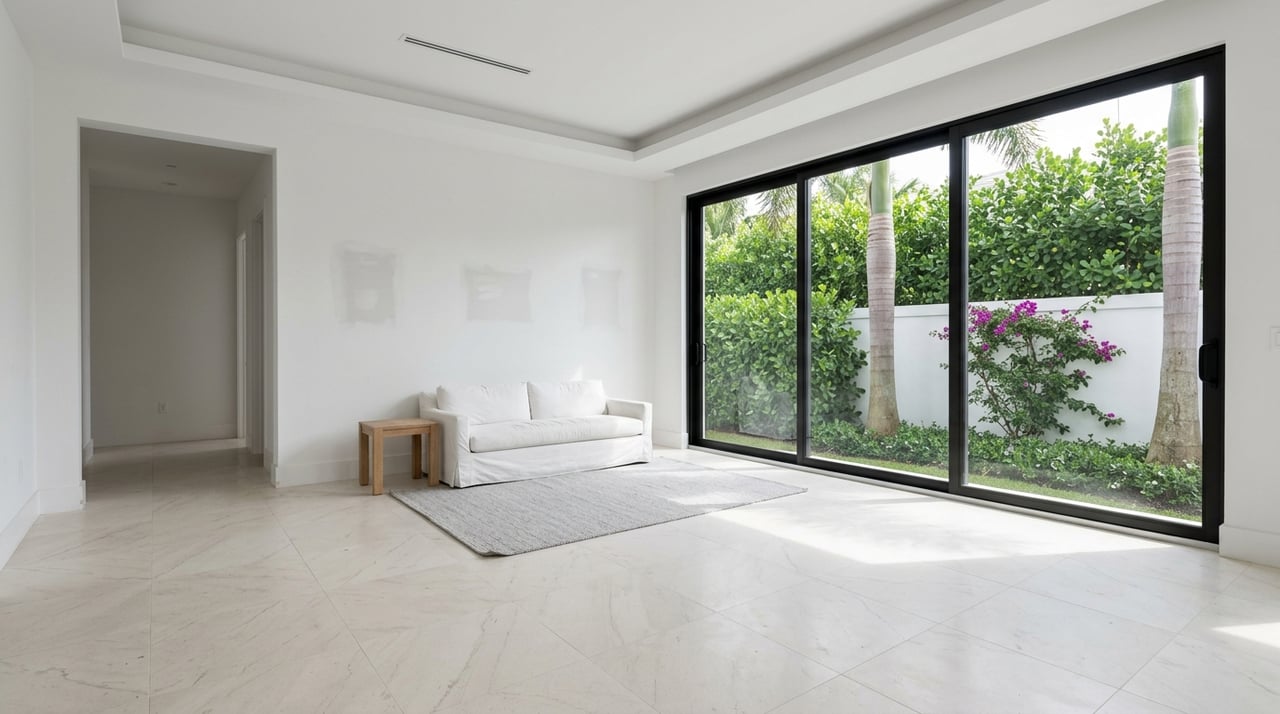
Thinking about buying a Palm Beach luxury fixer-upper? The opportunity can be real, but so can the risk. In Palm Beach, a dated home is not just a design project. It is also a permitting, flood, coastal, and sometimes historic review project. If you want to tell the difference between a smart value-add purchase and a renovation that grows far more complex than expected, this guide will help you evaluate the property with clear eyes. Let’s dive in.
Start With the Property’s Core Condition
When you tour a luxury fixer in Palm Beach, start with the parts of the home that are hardest to change. A beautiful concept board will not solve a poor layout, recurring water intrusion, or a roof and envelope that need major corrective work.
The Town of Palm Beach describes the area as a barrier-island community exposed to wind, waves, and sand movement. That makes roof condition, water intrusion resistance, and opening protection central issues in your evaluation. In this market, those items are not nice-to-have upgrades. They can be foundational to the home’s value and renovation scope.
Inspect the Site and Drainage First
Look closely at how the site handles water. Evidence of drainage issues, standing water, or prior water intrusion can signal a larger and more expensive project.
Flood status matters early in the process. Palm Beach County says every property in the county is in a flood zone, and revised flood maps became effective on December 20, 2024. That means you should understand the property’s flood zone and any elevation-related constraints before you finalize your renovation assumptions.
Review the Roof and Exterior Openings
Windows, doors, shutters, and roofing can quickly move a project from cosmetic to code-driven. In Palm Beach, these items may require permitting and, depending on the scope and product choice, design review through ARCOM or LPC.
If the home needs major opening replacements, build that into your evaluation from day one. What looks like a straightforward update can involve product approvals, review timelines, and added coordination.
Test the Layout Before the Finishes
Luxury buyers often focus on kitchens, baths, and surface-level design, but the smarter first question is whether the floor plan can be improved without major structural changes. A workable layout can make a fixer-upper far more attractive.
If the home is historic or landmarked, layout changes may still be possible. The Town notes that additions and alterations are allowed, but exterior changes to a landmarked structure require a Certificate of Appropriateness. That distinction matters because interior potential and exterior approval are not always the same thing.
Understand Palm Beach Permitting Early
One of the biggest mistakes buyers make is budgeting first and researching approvals second. In Palm Beach, that order should be reversed.
The Town states that almost all work requires a permit, except carpet, wallpaper, and interior painting. For a luxury renovation, that means most meaningful improvements will move through a formal approval path.
Assume Most Renovation Work Needs a Permit
If you are replacing windows, reworking exterior doors, updating shutters, altering the roof, or making structural changes, permitting is likely part of the process. Even smaller scopes can trigger more review than buyers expect.
This matters because permit timing affects your carrying costs, move-in schedule, and contractor sequencing. In a luxury market, delays can have a meaningful impact on total project cost.
Verify Contractor Registration and Credentials
Palm Beach requires contractors to register with the Town. Palm Beach County also says contractors should be licensed and insured, and permits should be pulled by homeowners or qualified contractors.
The county also recommends getting at least three written estimates, verifying license and insurance, and not making final payment until the permit is closed out. For a high-value renovation, these are practical safeguards, not just good habits.
Check for Historic Review Requirements
Historic status should not automatically scare you away from a Palm Beach fixer-upper. It should, however, change how you evaluate timeline, design flexibility, and budget.
The Town’s Historic Preservation Ordinance created the Landmarks Preservation Commission, which reviews modifications to landmarked structures and helps designate landmarks and historic districts. Not every building within a historic district is individually designated, so you need to confirm the property’s exact status.
Historic Homes Can Still Be Modernized
Palm Beach’s Landmarks Manual makes clear that older houses often need updated air conditioning, windows, roofs, additional bathrooms and bedrooms, and redesigned patios and courtyards. The Town notes that these types of changes have been approved for landmarked buildings.
That is encouraging for buyers who want character without giving up comfort. Still, the path to approval may be more detailed, especially when exterior elements are involved.
Exterior Changes Need Extra Attention
If your renovation plan depends on changing the exterior appearance, historic review can become a major factor. That could affect windows, doors, shutters, additions, and other visible features.
Before you make an offer, be honest about whether your vision depends on exterior transformation. If it does, you need to understand the review path before assuming the deal makes sense.
Evaluate Flood and Coastal Constraints
In Palm Beach, flood and coastal review issues can shape renovation feasibility just as much as architecture or design. For barrier-island properties, these questions are part of the early underwriting process.
The Town says a floodplain development permit is required for repair, reconstruction, rehabilitation, alteration, addition, or other improvement in Special Flood Hazard Areas. In some cases, that permit is separate from the master building permit.
Watch the Substantial Improvement Threshold
FEMA defines substantial improvement as work that equals or exceeds 50 percent of a structure’s market value. If a project crosses that threshold, the building may need to comply with current flood-protection requirements.
That can materially change your budget. A home that seems like a simple luxury refresh can become a more complex compliance project once the scope and cost are fully priced.
Coastal Lots Need Extra Due Diligence
For homes on or near the coast, the Coastal Construction Control Line can be especially important. Florida DEP states that construction and excavation seaward of the CCCL requires permits unless exempt.
Town staff also notes that zoning compliance requests east of the CCCL require a current survey showing the CCCL, property lines, setbacks, and the Town’s official bulkhead line. If you are considering a coastal fixer-upper, survey and setback questions should be part of your review before you commit.
Build Your Budget Around Code, Not Cosmetics
The most common budgeting error with a Palm Beach luxury fixer-upper is assuming the renovation is mainly about finishes. In reality, code, resilience, and approvals often drive the final number.
Florida’s current Building Code is the 8th Edition (2023), effective December 31, 2023. That means renovation pricing should reflect current standards, not the standards in place when the home was originally built.
Common Cost Drivers to Price Early
A realistic Palm Beach renovation budget should account for more than cabinetry, flooring, and fixtures. Key cost drivers often include:
- Window and door replacement, including product approvals and possible design review
- Historic exterior work that may require a Certificate of Appropriateness
- Coastal and flood compliance costs, including surveys and floodplain permitting
- Construction schedule impacts from local work-hour restrictions and no-work periods
- Contractor oversight and change management during permitting and build phases
The Town has updated construction hours and no-work periods, including a pause from December 24 through January 1. For buyers carrying a second residence, financing costs, or a planned move-in date, schedule realism matters just as much as line-item pricing.
Use a Simple Decision Framework
A Palm Beach luxury fixer-upper is usually most attractive when the home has good bones, a layout that can be improved without major structural intervention, and a manageable approval path. It becomes less attractive when the project depends on unclear flood, coastal, or historic outcomes.
A practical way to evaluate the opportunity is to separate the home into three buckets: physical condition, regulatory complexity, and budget tolerance. If all three look manageable, the property may be a strong candidate for value-add improvement.
Green Flags to Look For
These signs can point to a more workable renovation:
- A solid layout with room for targeted updates
- No obvious structural or water-intrusion red flags
- A clear understanding of flood zone and permit requirements
- Exterior upgrades that appear feasible within local review rules
- Enough budget and time buffer to absorb delays or code-driven changes
Red Flags to Treat Carefully
These issues can increase risk quickly:
- Major unknowns around floodplain or coastal compliance
- A renovation plan that depends on extensive exterior changes to a landmarked structure
- Tight budgets with little room for code-required upgrades
- Unclear contractor registration, licensing, or insurance status
- A timeline that does not account for Palm Beach review and construction restrictions
Questions to Answer Before You Make an Offer
Before moving forward on a luxury fixer-upper in Palm Beach, make sure you can answer these questions clearly:
- Is the home landmarked or located in a historic district?
- Will the planned exterior work require LPC or ARCOM review?
- What flood zone applies to the property, and could a floodplain development permit be required?
- Is the property affected by the CCCL or related setback questions?
- Can the layout be improved without major structural redesign?
- Have you confirmed contractor registration, licensing, and insurance?
- Does your budget include room for code upgrades, permitting, and delays?
- Does your schedule allow for local construction-hour restrictions and no-work dates?
For many buyers, the best Palm Beach fixer-upper is not the cheapest home with the most dramatic before-and-after potential. It is the one with the clearest path from acquisition to renovation to long-term enjoyment.
If you want experienced guidance on evaluating a Palm Beach luxury fixer-upper, from acquisition strategy to renovation oversight and ongoing property stewardship, Triple Crown Group can help you move forward with clarity and confidence.
FAQs
What should you inspect first in a Palm Beach luxury fixer-upper?
- Start with site drainage, signs of past water intrusion, the roof, windows, doors, shutters, and the overall layout. In Palm Beach, these items often affect both renovation cost and permitting.
Do most Palm Beach home renovations require permits?
- Yes. The Town says almost all work requires a permit, except carpet, wallpaper, and interior painting.
Can you renovate a historic home in Palm Beach?
- Yes. The Town notes that many updates have been approved for landmarked homes, but exterior changes to a landmarked structure require a Certificate of Appropriateness.
Why do flood rules matter when buying a Palm Beach fixer-upper?
- Flood rules can affect scope, permitting, and budget. If work meets the substantial improvement threshold, the home may need to comply with current flood-protection requirements.
What is the Coastal Construction Control Line in Palm Beach?
- The CCCL is a coastal regulatory line that can affect construction and excavation near the shore. If a property is seaward of the line, additional permitting and survey requirements may apply.
How should you budget for a Palm Beach luxury fixer-upper?
- Build your budget around code compliance, flood or coastal requirements, permitting, contractor management, and schedule impacts first, then layer in cosmetic upgrades.